
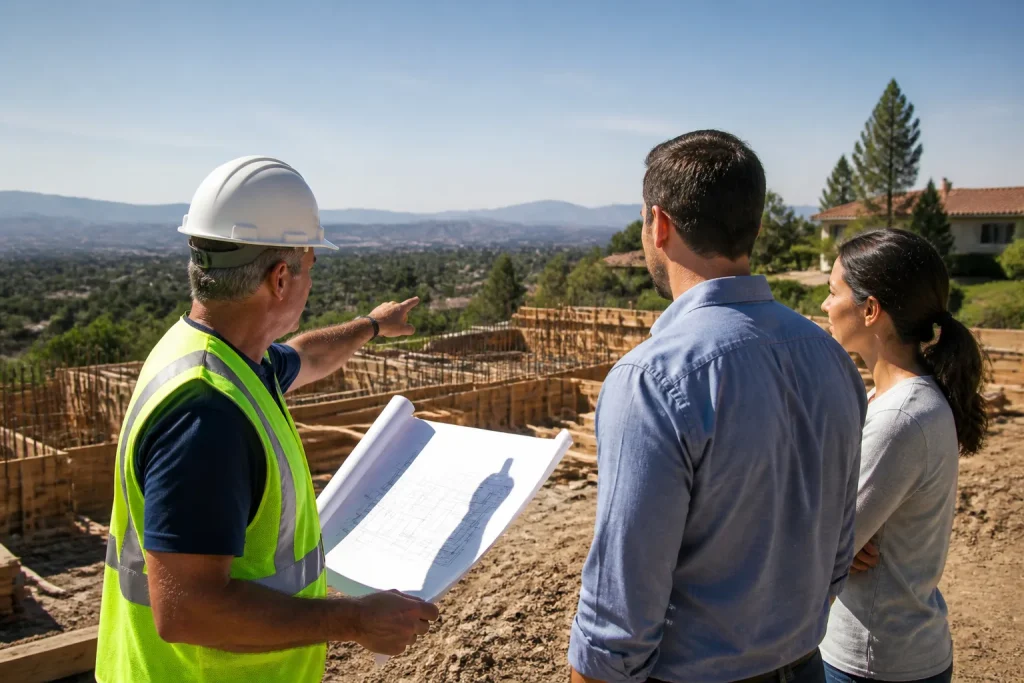
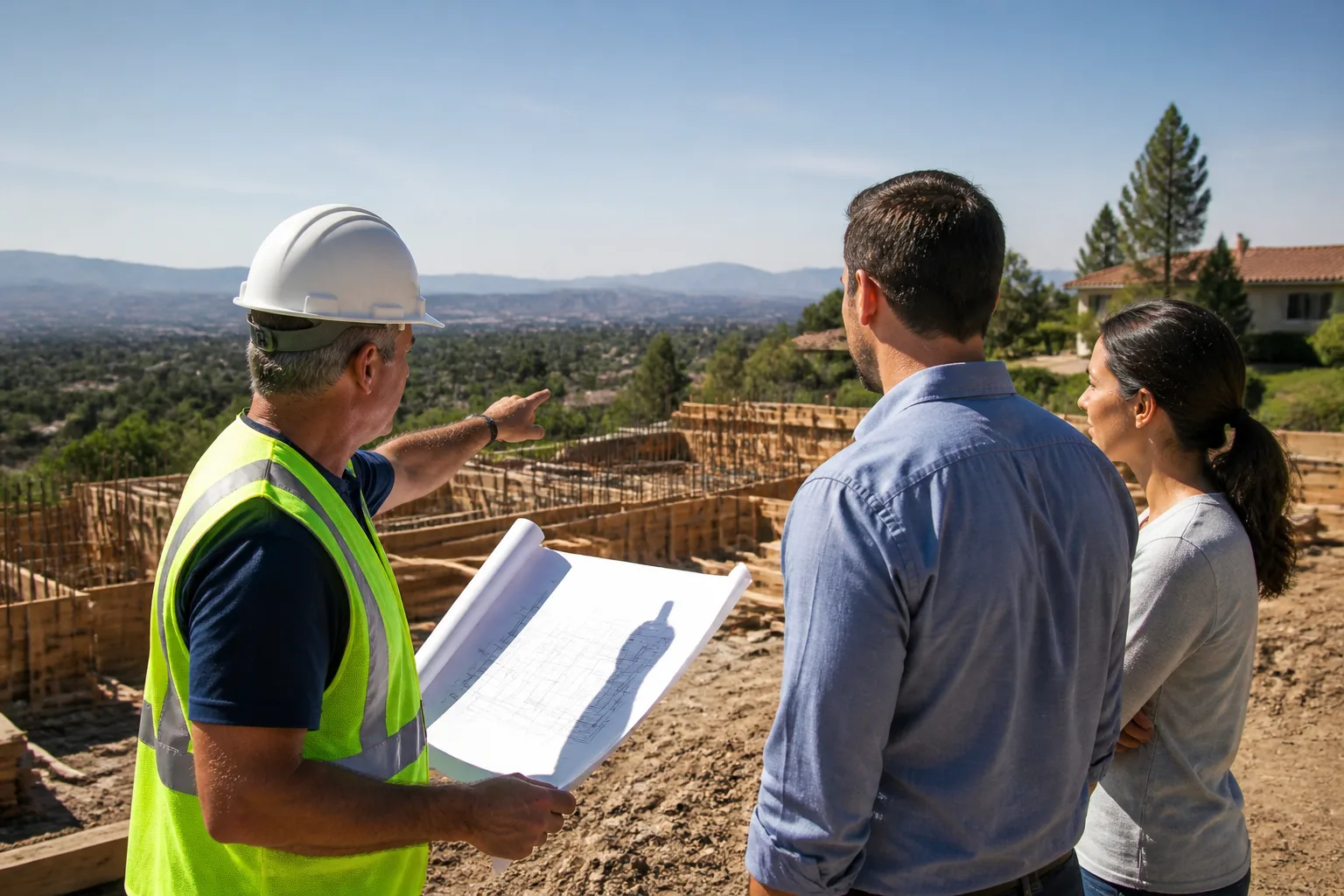
How to Choose the Right Construction Company in Lake Forest
Ask a Lake Forest homeowner what went wrong with their last renovation and you’ll rarely hear about bad tile work. You’ll hear that nobody told them the cabinets were back-ordered until the demo was done. The best construction company for your project isn’t the one with the lowest bid or the shiniest portfolio. It’s the one that can run several trades on one schedule without making you the project manager.
If reading that makes you want to skip the stress entirely, call (888) 397-8184 and we’ll walk you through how a coordinated project actually works.
Key Takeaways
- Vet a Lake Forest contractor on coordination capability first, price second. A multi-trade project has more moving parts than a single-trade job.
- Ask for a sample project timeline that shows trade sequencing. If they can’t produce one, they probably don’t have one.
- Verify the license and insurance on the CSLB database yourself. It takes ten minutes.
- Look at portfolios for projects that combined scopes, such as a roof replacement alongside an addition, not just pretty finished rooms.
- Local knowledge in Lake Forest matters: building department turnaround, HOA reviews in Foothill Ranch and Serrano, and which suppliers stock what without a long lead time.
What’s the difference between a contractor who does multiple trades and one who coordinates them?
A contractor who “does multiple trades” might have a roofer, a framer and a tile setter on their books. A contractor who coordinates multiple trades runs those people off a single schedule, with sequenced start dates and material deliveries timed to the work. Only one of those means you stop managing anything.
Here’s the test. Ask what happens when the kitchen cabinets arrive late. On a coordinated project, there’s a plan: the countertop template gets bumped, the plumber’s rough-in gets pushed back, and you get a call before it affects your week. On an uncoordinated project, the homeowner makes that call themselves. That’s the difference between hiring a builder and becoming one.
In our experience, most scheduling disasters on a Lake Forest renovation trace back to materials, not labor. A few of the signs a contractor has real coordination capability:
- They can name the brands they’ll specify, not just say “we’ll pick something out.” A kitchen finished with KraftMaid or Wellborn cabinetry is a different animal from one with an unlabeled box cabinet.
- They track lead times before demo starts, not after.
- They’ll tell you which of your selections have long lead times (custom cabinetry, specialty windows) before you sign.
- They can sequence a job that touches the roof, exterior siding and interior in the same project, like James Hardie siding going up while a GAF roof goes on.
One contractor across every project phase, from permits to final walkthrough, removes handoffs. No finger-pointing between trades when something slips.
How do you evaluate a contractor’s project management infrastructure?

You ask three questions, and you ask them before you sign. Most homeowners focus on the quote and skip these entirely. That’s the mistake.
- Do they use a scheduling system? Not a promise that they’ll “keep you posted,” but an actual schedule with trade start dates, inspection milestones and material delivery windows. Ask to see a sample project timeline. If they can’t show you one, they don’t have one.
- Is there a dedicated point of contact? One person who answers when you call, knows your project and isn’t the guy on the roof with a nail gun. On a multi-trade project spanning weeks, the single point of contact is the difference between a smooth build and a constant game of telephone.
- Can they show trade sequencing on a real project? Ask how they’d sequence a project that goes from a driveway and fence install, through a bathroom remodel, and into an ADU build. The answer tells you whether they’ve actually thought about it or just recite “yes, we handle everything.”
If our answer to that last one sounds like a sequence rather than a list, that’s on purpose. Running several scopes in the right order is the whole job on a large renovation. Ask us for a sample timeline and we’ll show you what that looks like on paper.
What California licensing and insurance should you verify before signing?
Verify the license and insurance on the California Contractors State License Board (CSLB) database yourself. Any contractor can hand you a license number; you want to confirm it’s active, in the right classification for residential construction, and that it hasn’t been revoked or suspended. The CSLB lookup takes a few minutes and it’s the single most useful thing you can do before signing a contract.
What to check:
- License status: Active, correct classification for the residential scope you’re building, and no disciplinary actions on record.
- Workers’ compensation insurance: Every employer must carry it, and it should cover anyone who sets foot on your property. Ask for the policy declaration page, not just a certificate of insurance.
- General liability coverage: Appropriate for a whole-home or addition scope. A larger project means more exposure, so ask what the policy limits are and confirm the coverage is current.
For a whole-home renovation or an addition, this isn’t a formality. When a project involves electrical, plumbing and structural changes, the coverage needs to match the scope. If a contractor can’t produce current documentation, that’s the answer to your question about whether they’re the right fit.
We’re state-licensed and insured, and we’re happy to walk you through any documentation you’d like to see.
What should you look for in a contractor’s portfolio beyond the photos?
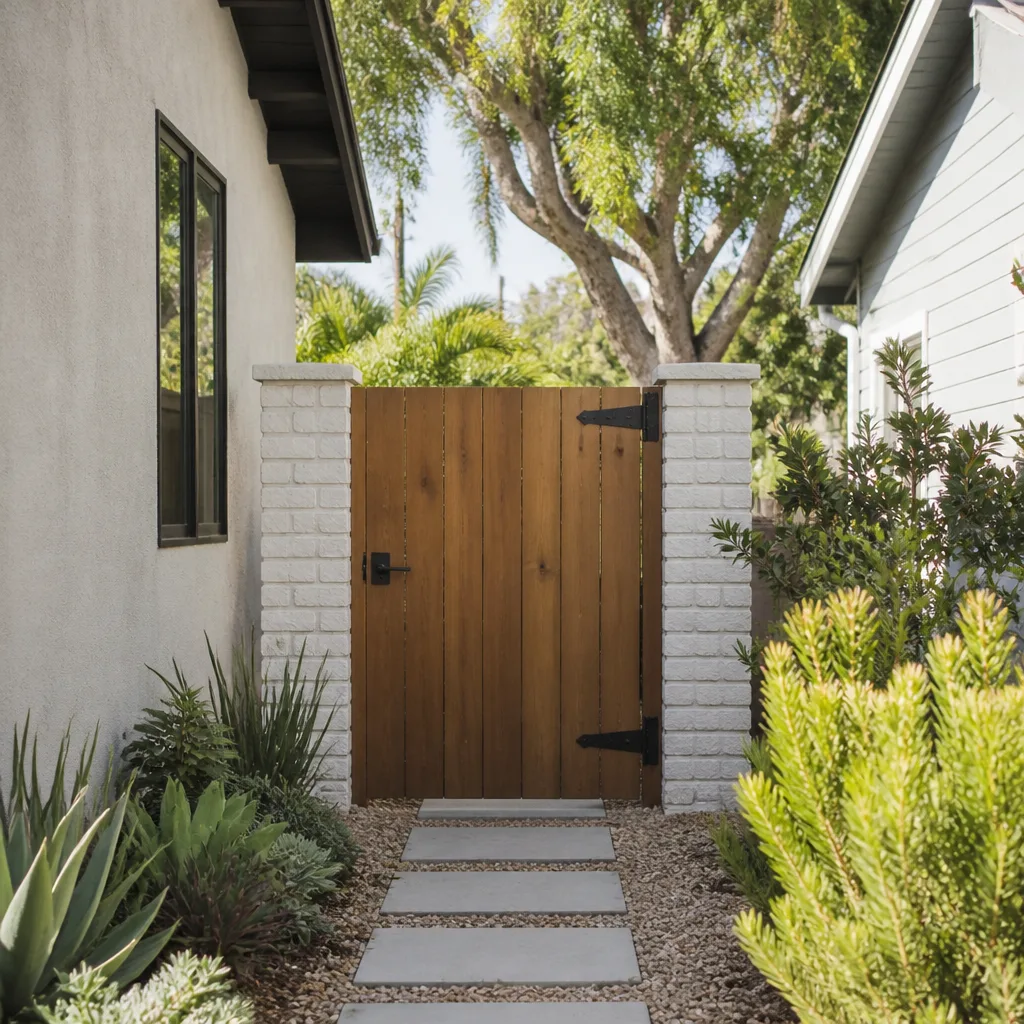
Look for projects that combined multiple scopes. A beautiful finished bathroom proves someone can tile; a project that put a new roof on, added a home addition and built a fence around the property proves someone can coordinate trades across a scope. The photos are the last thing to look at. The scope is the first.
How to read a portfolio:
- Scope combinations: Did they pull off a project that touched the roofline, the exterior and the interior? That’s evidence of coordination, not just craftsmanship.
- Materials named: A page that says “premium finishes” tells you nothing. One that names the cabinetry line, the countertop and the fixture brands says they specified the job.
- Exterior envelope work: A home addition or a large renovation usually needs new roofing and siding to tie the whole thing together. A portfolio that includes cohesive curb-to-ridge upgrades (new roof plus hardy exterior) shows they think beyond a single room.
- Hardscape quality: Designer-grade pavers from a manufacturer like Belgard are a different product than commodity concrete. The materials speak for the contractor.
A portfolio that treats a kitchen, a bathroom and a driveway as three separate showcase items is fine. One that shows them as one project is what you’re looking for in Lake Forest.
Why does local market knowledge in Lake Forest matter?
A Lake Forest contractor who knows your building department, your HOA and your suppliers saves you weeks of project time. That’s not a sales point, it’s a scheduling fact.
Three specific reasons:
- Building department turnaround: The city building department’s permit review timelines and inspection scheduling are not the same as every other city in Orange County. A contractor working here regularly knows what to expect and builds it into the schedule.
- HOA review processes: Communities like Foothill Ranch and Serrano have HOA review processes for exterior changes, additions and fences. Knowing what the architecture committee wants, and what it takes to get a plan approved, prevents delays you never saw coming.
- Supplier lead times: Local suppliers stock different products with different lead times. A contractor who knows which materials are available off the shelf, and which require a long order, plans the job around those realities instead of discovering them after demo.
This is where a company that handles everything from your driveway & pavers to your roofline is a real advantage. One team coordinates the whole job, schedules the trades in the right order, and keeps you out of the middle of it. If your plans run to added square footage, our home additions & ADU team can sequence that alongside everything else on the property.
Related services in Lake Forest
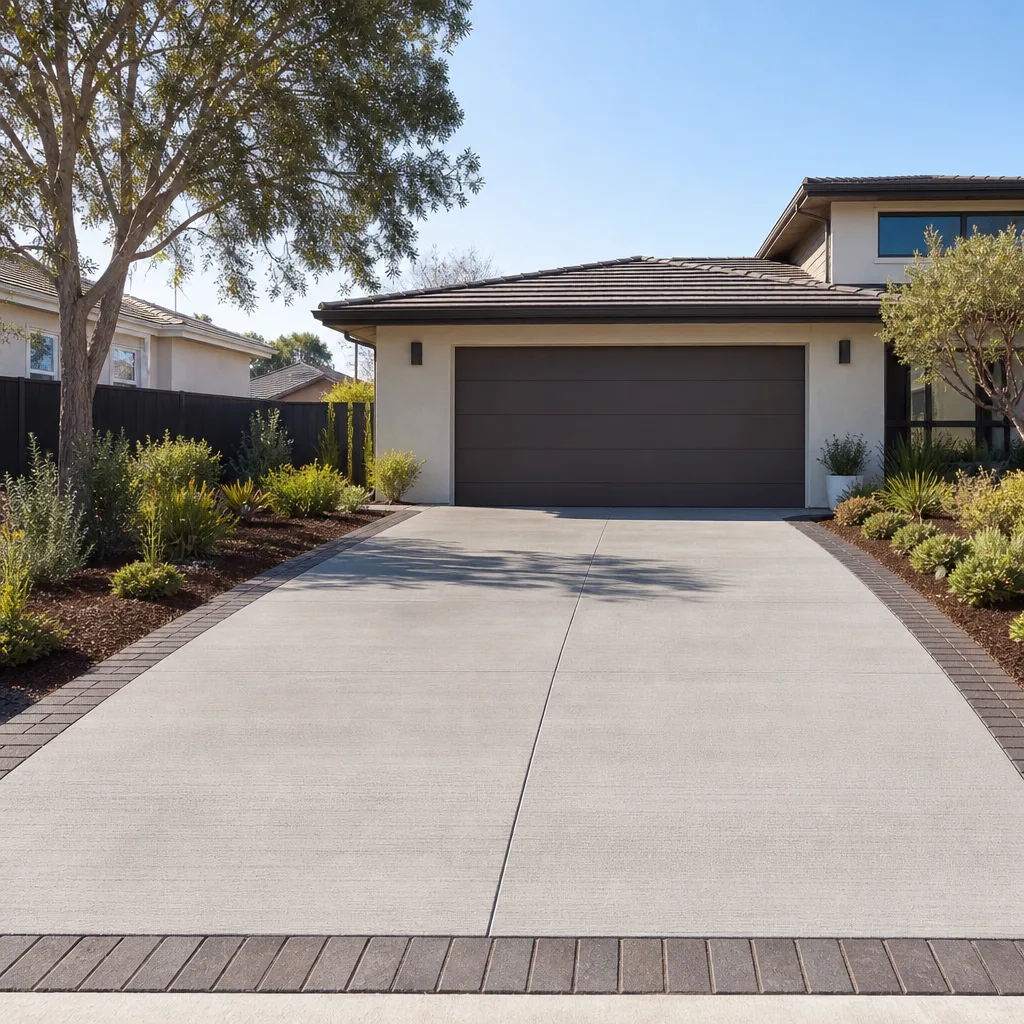
If you’re reading this while planning a project, these pages will help you think through scope and materials. Start with our overview at Construction Lake Forest for the full range of what a single-contractor relationship can cover, or jump straight to fence installation if your project touches the property line.
What happens when you call
- 1
A real person answersNo phone trees – you reach a local pro.
- 2
You get an upfront price rangeHonest numbers before anyone is dispatched.
- 3
A background-checked tech heads outLicensed & insured, dispatched right away.
- 4
You approve before work beginsNothing starts until you say go.
The Bottom Line
Choosing the right construction company in Lake Forest comes down to one question: can this contractor run multiple trades on one schedule, or will the coordination land on you? Everything else follows. Verify the license and insurance on the CSLB. Ask for a sample timeline. Look at portfolios that combined scopes. Then evaluate price, not the other way around.
If you’re in Lake Forest and need help, Construction Lake Forest offers free estimates. We’d rather answer a few hard questions before the project starts than manage surprises after it does. Call (888) 397-8184. We answer 24/7, with fast dispatch from 7am to 7pm, Sunday through Friday.
Frequently Asked Questions
Use the CSLB database to look up the contractor’s license number. Confirm it’s active, in the correct classification for residential construction, and free of suspensions or discipline. Then ask for current insurance documentation, including workers’ compensation and general liability. Call (888) 397-8184 if you want us to walk you through what to look for.
Permit timelines in Lake Forest depend on the scope and the building department’s current review load. The best way to know is to ask your contractor what they’ve seen recently and whether they build review time into the schedule. A contractor who works here regularly will know the current process, including any applicable HOA review for communities like Foothill Ranch or Serrano. Call (888) 397-8184 to talk through your project’s scope.
Yes, if the contractor coordinates trades rather than subcontracting each scope to a separate company you then have to manage. The way to know is to ask for a sample project timeline showing trade sequencing across multiple scopes. If they can show you one, they can handle it. Call (888) 397-8184 for a free estimate.
Not with a clear written estimate and a defined scope. Ask for a line-item written quote before you sign, and confirm how the contractor handles change orders if you add scope mid-project. Anything you didn’t agree to in writing should not end up on your bill. Call (888) 397-8184 for an exact quote; estimates are free.
Written by the team at Construction Lake Forest.
Need Construction Help?
Call Construction Lake Forest - licensed & insured, here with fast help in Lake Forest.
(888) 397-8184