Last updated November 18, 2026
Free written scope consultation - allowances, timeline, and change-order rules on paper before a single trade is scheduled
Construction Cost Breakdown: The Lake Forest Homeowner’s Reference for 2026
The national average cost per square foot for a room addition means almost nothing in Lake Forest. A builder in the Midwest quotes a number that assumes a slab, a simple truss roof, and insulation rated for a much colder climate. Here, before a single framing nail is driven on a 400 sq ft addition, the Title 24 energy compliance package (insulation, glazing, HVAC sizing, and third-party verification) can add somewhere between $8,000 and $14,000 to the scope. That line rarely appears in online cost calculators. This reference fills it in: real 2026 ranges for the five projects Lake Forest homeowners ask about most, the variables labeled honestly, and the trade-offs that decide where your money actually lands.
Quick Answer
In Lake Forest, typical 2026 cost ranges run roughly $250 to $450 per sq ft for a site-built addition, $180 to $350 per sq ft for an attached ADU (prefab options can land lower per square foot), $12 to $22 per sq ft for a paver driveway replacement, $18,000 to $35,000 for a full re-roof on a typical single-story home, and $65,000 to $120,000 for a full kitchen remodel. California’s Title 24 compliance requirements and Orange County labor rates sit above state averages, and both are baked into these figures. Every number here is an estimate; the written, line-item quote sets your final price.
Styles & brands we work with
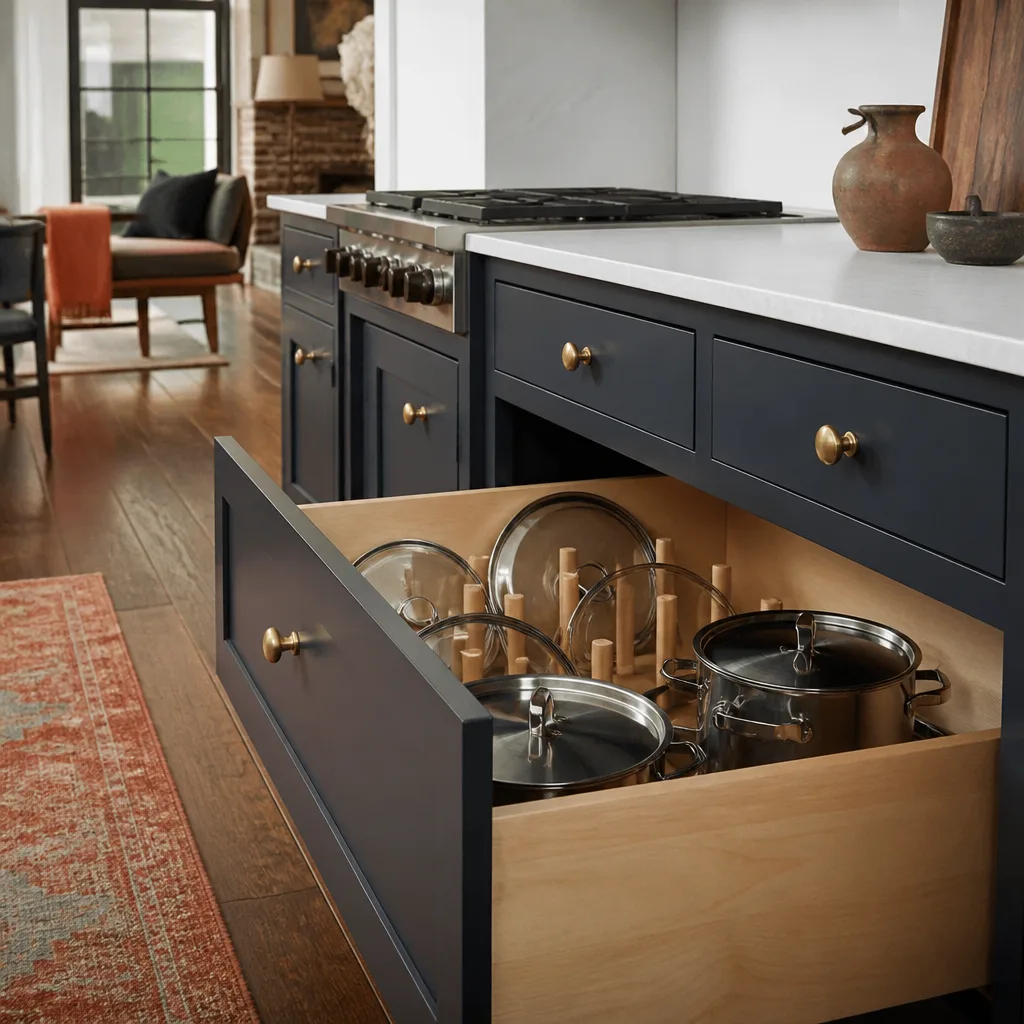
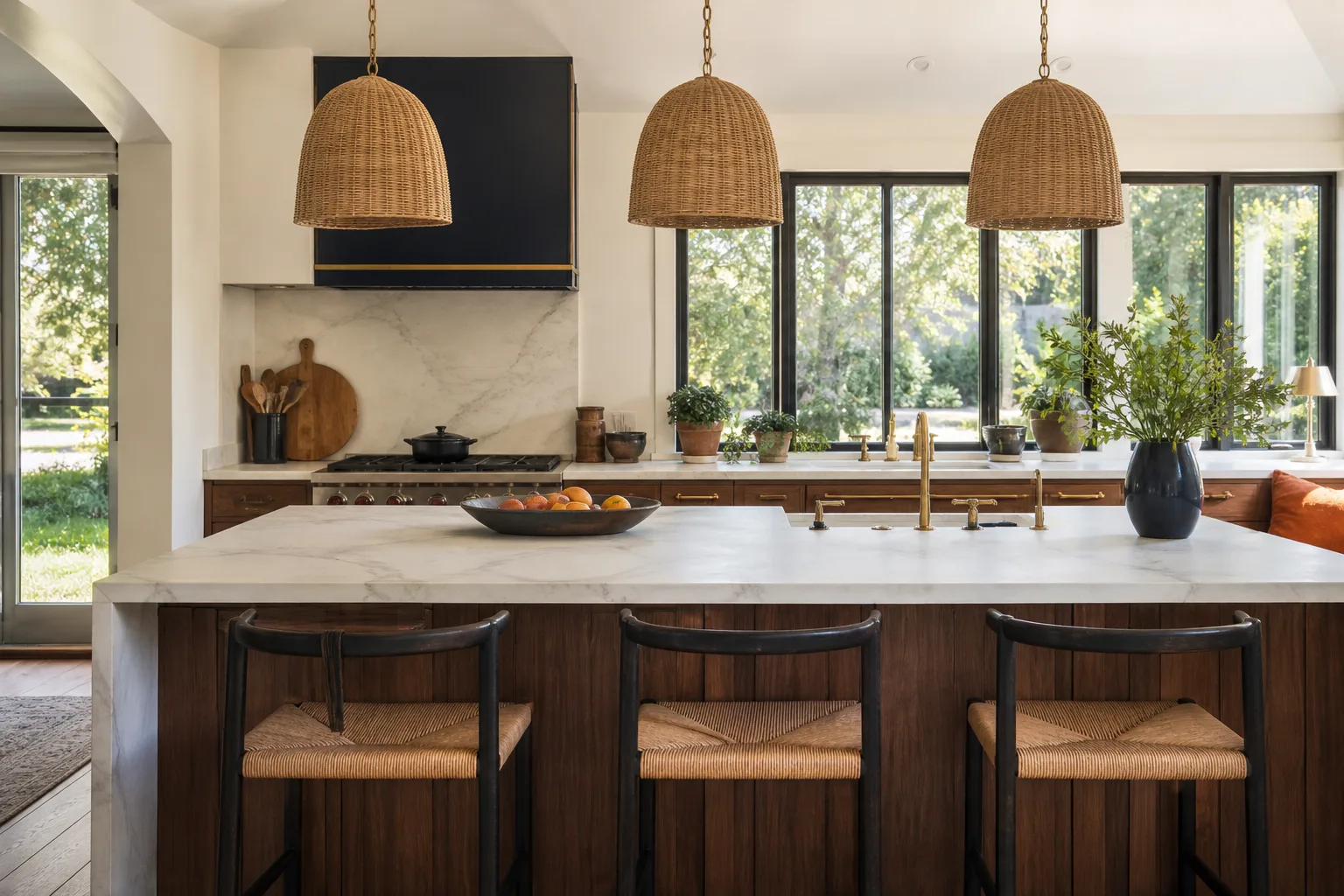
- Kitchen remodeling
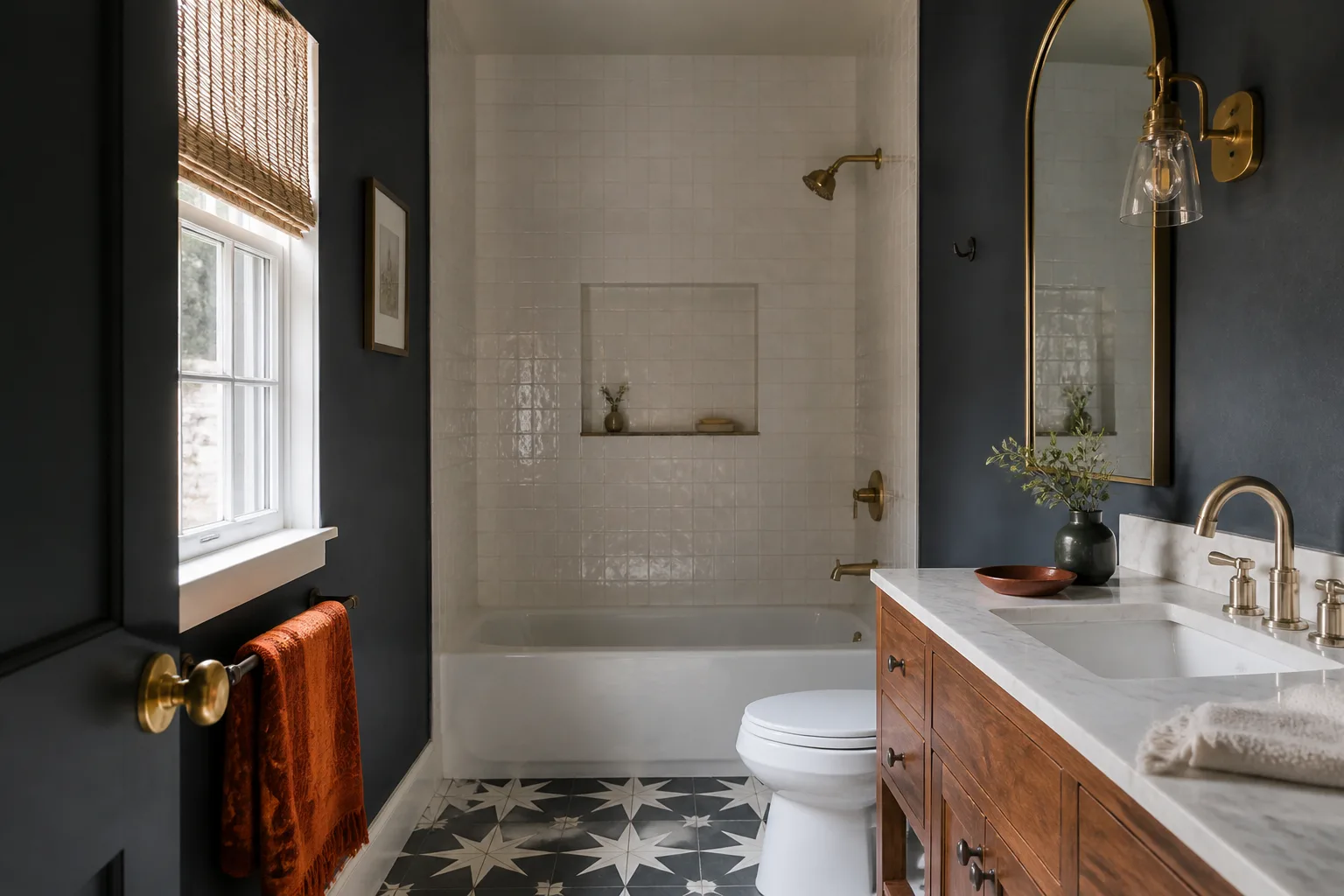
- Bathroom remodeling
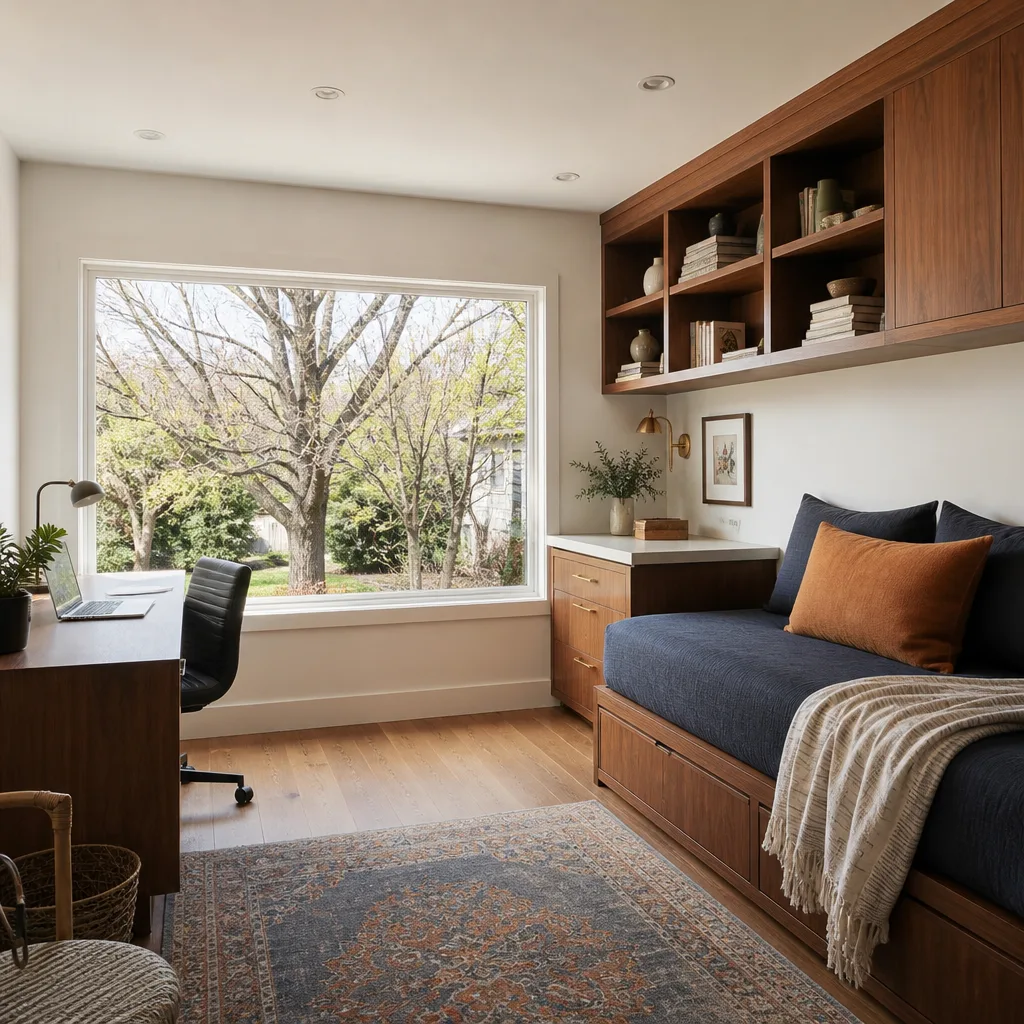
- Home additions & ADU
- Roofing
- Windows & doors
- Driveway & pavers
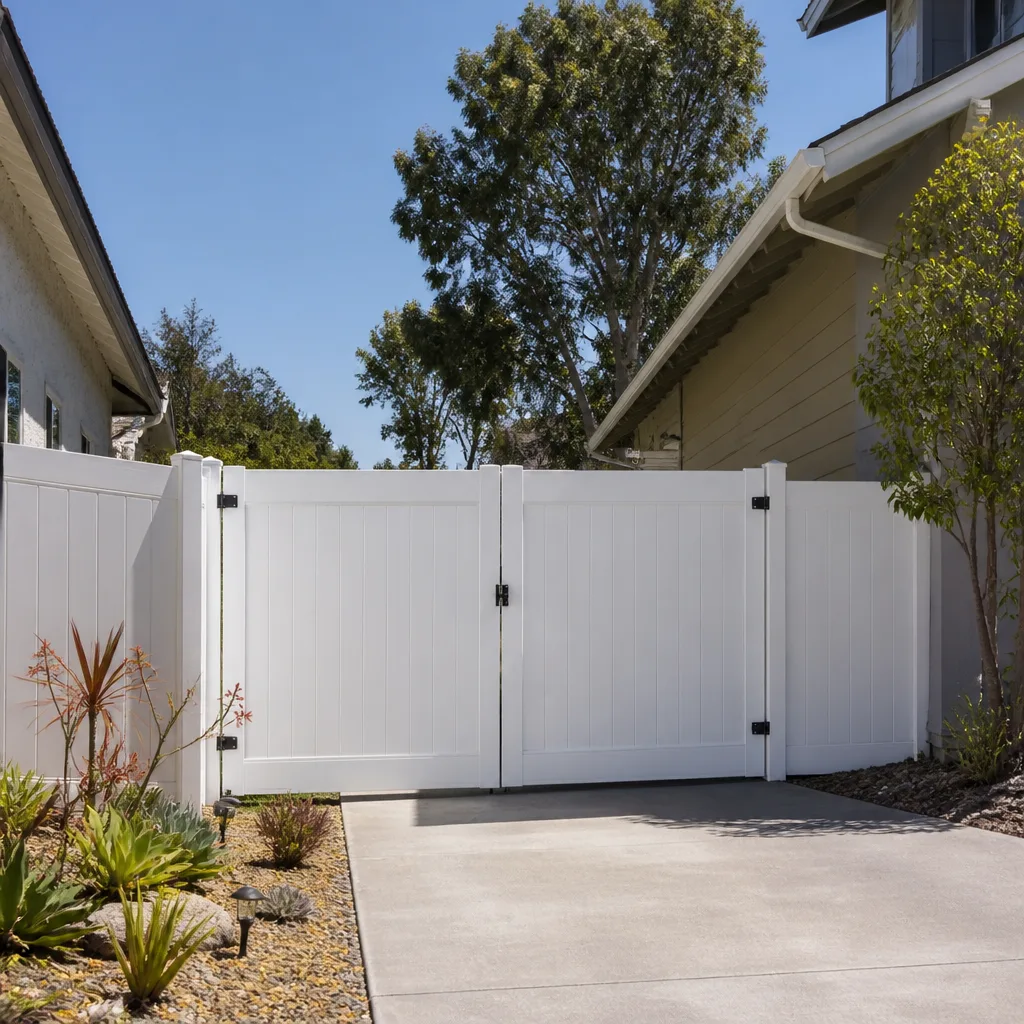
- Fence
Table of Contents
- What Do the Five Most Common Lake Forest Projects Cost Per Square Foot?
- What Does Title 24 Compliance Actually Add to an Addition or ADU?
- How Do Lake Forest Permit and Plan-Check Fees Scale With Project Value?
- Full-Scope Contractor Pricing vs. Coordinating Specialty Trades Yourself
- Material Cost Volatility in 2025 – 2026: What’s Stabilized and What Hasn’t
- How Project Costs Differ Across Lake Forest Neighborhoods
- How to Build a Realistic Project Budget in Six Steps
- Common Mistakes to Avoid
What Do the Five Most Common Lake Forest Projects Cost Per Square Foot?
Per-square-foot pricing is the fastest way to sanity-check a bid, but only if you know which costs are inside the number. In Lake Forest, the five projects below account for most of what homeowners price out. The ranges assume a licensed contractor, pulled permits, and mid-to-upper-grade finishes. They exclude furniture, landscaping beyond the hardscape scope, and any structural surprises found after demolition.
- Room addition (site-built): $250 – $450 per sq ft. A 400 sq ft addition lands roughly $100,000 – $180,000. The spread reflects foundation conditions, roof tie-in complexity, and finish level.
- ADU, attached or detached site-built: $180 – $350 per sq ft. A 600 sq ft detached ADU typically runs $110,000 – $210,000. Prefab and modular systems from manufacturers like Mighty Buildings or Boxabl can reduce per-square-foot cost and compress the schedule, but site work, utilities, and foundation still carry real dollars.
- Driveway replacement with pavers: $12 – $22 per sq ft installed. A standard two-car driveway of 600 sq ft runs about $7,200 – $13,200. Base preparation, drainage correction, and paver selection drive the range more than labor does.
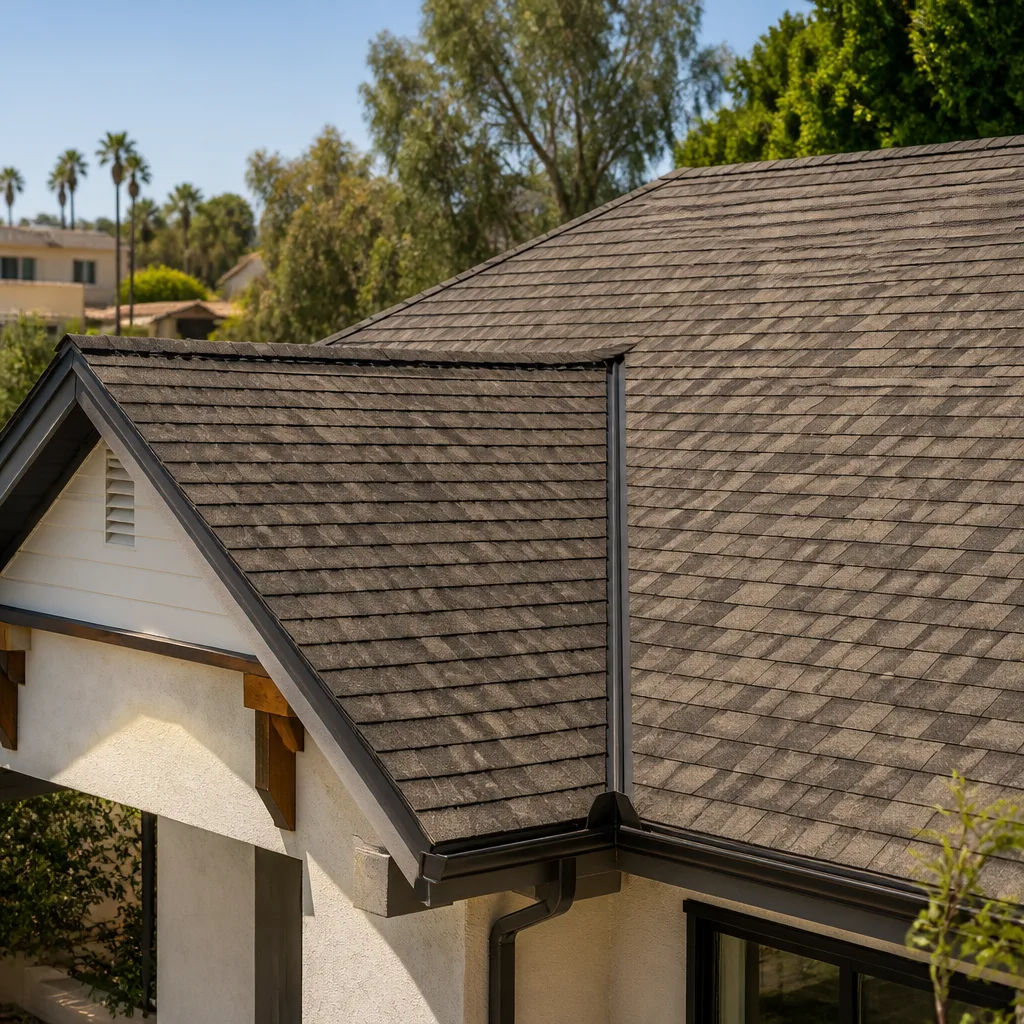
- Full re-roof: $18,000 – $35,000 for a typical single-story Lake Forest home, depending on square footage, pitch, tear-off layers, and whether the scope includes sheathing repair. Architectural shingles from GAF, CertainTeed, or Owens Corning sit in the middle of that range; tile pushes toward the top.
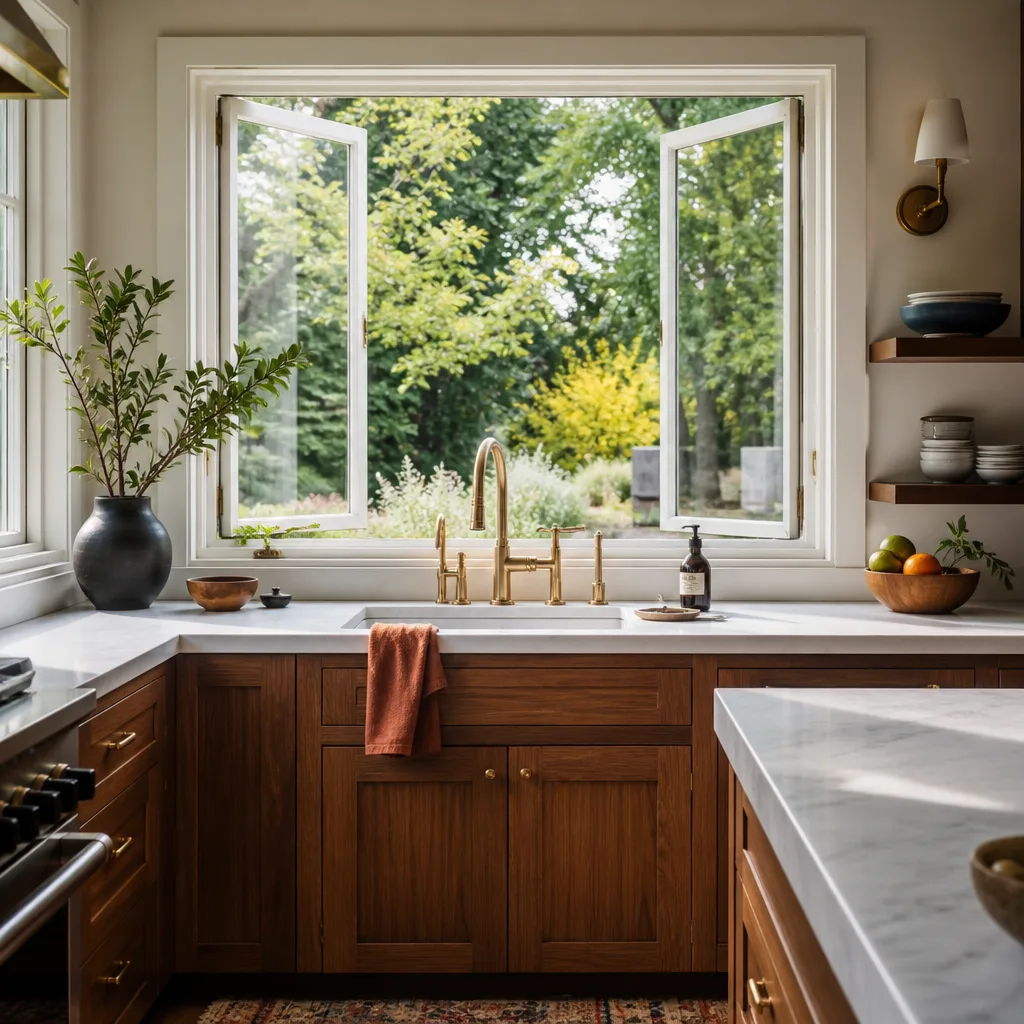
- Full kitchen remodel: $65,000 – $120,000 for a gut renovation with new cabinetry, counters, and layout changes. Cosmetic refreshes without moving walls land well below that floor.
These figures track Orange County labor, which sits meaningfully above California averages. Trade wages, permit costs, and material logistics all run higher in this county than in the Central Valley or Inland Empire, and that gap shows up in every line of a Lake Forest bid. If you’re weighing a smaller exterior project first, our guide to driveway & pavers breaks down what base prep and drainage correction add to that $12 – $22 range.
What Does Title 24 Compliance Actually Add to an Addition or ADU?
California’s Title 24 energy code adds a real, measurable line item to any addition or ADU scope in Lake Forest, and most cost guides skip it entirely. For a 400 sq ft addition, budget $8,000 – $14,000 for the compliance package alone. That figure isn’t padding; it’s an itemized set of requirements the state enforces through plan check and third-party verification.
Here’s what the package typically includes on a Lake Forest addition:
- Envelope upgrades: wall and ceiling insulation rated to a higher effective value than older construction, plus air sealing that goes beyond what a standard framing crew would default to.
- Glazing performance: windows and doors must meet U-factor and solar heat gain requirements. In practice this means specifying dual-pane products with low-E coatings. Brands like PGT, CGI, and Therma-Tru all publish performance data that maps to Title 24 requirements, and the selection should be driven by the compliance numbers, not the showroom sample.
- HVAC sizing and duct design: mechanical systems must be correctly sized to the new load, which sometimes means a dedicated system rather than tying into the existing one. This is the line that surprises most homeowners.
- Third-party verification: a HERS rater inspects the installation at defined stages. That inspection is a paid service, and it’s billed into the project.
The practical takeaway: an addition or ADU bid that doesn’t name the compliance package as a line item is either incomplete or hiding the cost in a contingency. For a full walkthrough of what a compliant scope looks like, see our page on home additions & ADU. Light and ventilation requirements in the code also affect window placement and sometimes force a skylight or a second window into a plan, which is a design change that carries cost.
How Do Lake Forest Permit and Plan-Check Fees Scale With Project Value?
Lake Forest permit fees scale with the declared valuation of the project. A roof replacement might carry a few hundred to a couple thousand dollars in permit cost; a full addition or ADU will carry several thousand. Plan check runs in the same direction: the more complex the scope, the more review cycles the drawings pass through.
Budget separately for these items, usually 3 – 8% of total project cost, and don’t assume the contractor’s number includes them unless the bid says so in writing. Here’s what the approval phase typically involves for an addition or ADU in Lake Forest:
- Schematic and planning drawings: architectural drawings sized for the scope. Small exterior projects need less; additions and ADUs need a full set.
- Plan check submission: City review, often in multiple rounds. Each resubmittal takes time and sometimes incurs an additional fee.
- Title 24 documentation: the energy compliance forms are submitted with the plan set and verified later by the HERS rater.
- Structural and site review: foundation, drainage, and grading plan review for detached structures and additions with site work.
- Issuance and inspections: fees collected at issuance, with inspections staged through construction.
Ask any contractor you’re considering whether they pull permits and whether the written bid lists plan check and permit fees as separate lines. A bid that folds them into a lump sum without breaking them out makes it impossible to compare contractors fairly. Permit timelines also interact with material lead times, covered further down.
Full-Scope Contractor Pricing vs. Coordinating Specialty Trades Yourself
On a multi-trade project, the difference between a full-scope contractor’s price and a homeowner-coordinated collection of specialty crews is smaller than it looks, and it usually doesn’t favor the homeowner approach. The covered costs are real: permit pulls, scheduling, inspection coordination, change order management, and the liability for trade-to-trade problems.
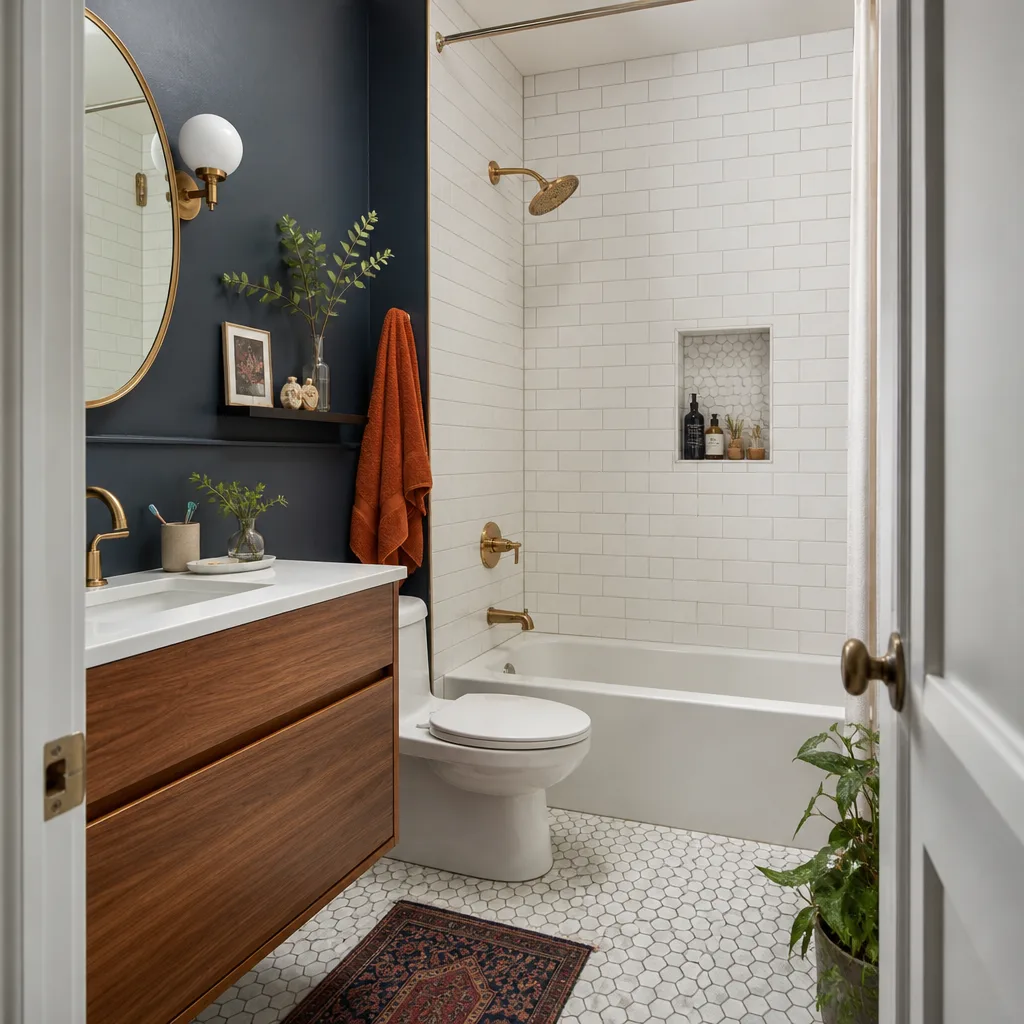
Consider a bathroom remodel that touches tile, plumbing, electrical, and cabinetry. The homeowner approach looks like this: hire a plumber for rough-in, wait, hire a tile setter, wait, hire an electrician, wait, hire a counter fabricator, wait, schedule inspection. Every wait is schedule slack, and every trade handoff is an opportunity for a finger-pointing dispute when something doesn’t line up. If the tile is out of level after the cabinet goes in, no one owns it.
The full-scope approach prices the whole scope once and puts one party on the hook for the finished result. In our experience, bids from homeowners who piece together specialty trades often land within 10 – 15% of a full-scope price, and then get eaten by re-mobilization charges and delays. The comparison is even less kind on a renovation that spans interior and exterior work at the same time.
Construction Lake Forest is built around the full-scope model across seven service lines: Construction Lake Forest projects from driveway and pavers through fence installation, additions and ADUs, bathroom remodeling, windows and doors, roofing, and kitchen remodeling all run under one contractor relationship. No handoffs. No finger-pointing between trades. That structure is worth something on a three-trade project and worth much more on a six-trade project. For a focused look at the interior remodel trade-off, our fence installation page covers the same coordination logic in the fencing scope.
Material Cost Volatility in 2025 – 2026: What’s Stabilized and What Hasn’t
Not every material on your budget is behaving the same way in 2026. Three categories have settled into a quieter pattern, two are still subject to supply disruption pricing, and one has swung hard enough to change how crews schedule.
Stabilized categories: dimensional lumber, architectural shingles, and standard paver inventory. Lumber has been the most predictable line item in the last two years after a volatile stretch, and shingles from GAF, CertainTeed, Owens Corning, IKO, Tamko, Boral, and Atlas are widely available with reliable lead times. Paver brands like Belgard, Techo-Bloc, Unilock, Tremron, and Cambridge Pavers are similarly steady, though specialty colorways and premium finishes still carry longer lead times.
Volatile categories: concrete, specialty glazing, and modular systems. Concrete pricing has kept drifting upward in Orange County, which affects every driveway, foundation, and hardscape sub-base. Specialty windows and doors (particularly custom-sized units and impact-rated products) still see intermittent lead-time jumps. Prefab and modular ADU systems are still finding their price equilibrium, which means a quote from a manufacturer like Mighty Buildings today can look different in a quarter.
What this means for your schedule: material lead times force scheduling decisions, and scheduling decisions carry cost. Waiting three months for windows can cost more than paying a modest premium for a comparable product with a shorter lead time, because the delay also rents the crew’s spot on the calendar. Order long-lead items (custom windows, specialty pavers, cabinetry) early in the design phase, and lock the price in writing before you commit to a start date.
We meet this reality by keeping a broad manufacturer bench. When we specify a roof, we’re choosing between GAF, CertainTeed, and Owens Corning rather than being stuck with one product line. When we specify a counter, the choice can be Cambria, Silestone, or Caesarstone. That flexibility is the main defense against cost volatility, and it’s why we name brands rather than category descriptions.
How Project Costs Differ Across Lake Forest Neighborhoods
Not every project in Lake Forest prices the same way, because the lots, ages, and site conditions differ across the city. The city’s terrain and lot grading vary enough that the same scope can come in at meaningfully different totals depending on where you live.
Homes on sloped lots, which are common in some of the hillside neighborhoods, carry extra foundation and drainage cost on additions and ADUs. Flat-lot homes near the center of Lake Forest avoid that line entirely. Older housing stock in some established neighborhoods may need an electrical panel upgrade before an addition scope can pass inspection; newer construction typically doesn’t. Driveway and hardscape pricing shifts with drainage correction needs, which are more acute on lots that collect runoff from adjacent parcels.
The rough pattern: hillside lots run at the upper end of every range on this page, and flat close-in lots sit closer to the middle. When you get a quote, ask whether the site conditions for your specific lot were factored in. A generic square-foot number that doesn’t account for slope, drainage, and panel capacity will come back as a change order.
How to Build a Realistic Project Budget in Six Steps
Budgeting well is the single highest-leverage thing you can do before calling a contractor, because it prevents the most expensive outcome on a project: a scope that gets cut in the middle of construction. Here’s a sequence that works in Lake Forest:
- Write the scope in plain language first. Before you look at finishes or brands, describe what you want in one page. “Replace the driveway, widen by two feet, correct grading toward the street.” A clear scope makes every bid comparable.
- Define the finish tier and name brands. This is where the 50+ manufacturer relationships actually pay off. “KraftMaid or Wellborn cabinetry, Cambria or Silestone counters, Kohler or Toto fixtures” lets a contractor price to a specification rather than guessing.
- Add the software costs. Permits (3 – 8% of project cost), Title 24 compliance (the $8,000 – $14,000 range for a 400 sq ft addition), plan check, and inspections. These are real and separate from construction costs.
- Reserve a contingency of 10 – 15%. On additions and remodels, this covers what demolition reveals. On exterior work it covers site conditions that weren’t visible from above.
- Order long-lead items early. Lock lead times for windows, doors, cabinetry, and specialty paver colorways before you schedule the crew.
- Get a written, line-item estimate and compare scope to scope. Not total to total. A bid that’s $15,000 lower but omits Title 24 compliance and permit pulls isn’t actually lower.
One habit that pays dividends: keep the finishes, brands, and scope in a single document that goes out with every bid request. Contractors price what’s in front of them, and a vague scope always either gets padded or gets returned as a change order later.
Common Mistakes to Avoid
- Comparing total bid prices without comparing scope. Two bids that differ by $20,000 frequently differ because one omits permit pulls, Title 24 compliance, and site prep. Compare line items, not totals.
- Forgetting that Title 24 adds a real, nameable line item. On additions and ADUs in Lake Forest, an $8,000 – $14,000 compliance package sits inside any honest bid. If it’s missing, it’s coming later as a change order.
- Choosing finishes before the scope is set. Picking a $30,000 cabinet package before deciding on the layout is backward. Set the door, window, and wall positions first, then pick cabinets and finishes that fit.
- Scheduling the crew before the long-lead materials are locked. Custom windows, specialty pavers, and prefab modular units can carry months of lead time. A crew standing around with nothing to install costs more than the materials do.
- Trying to save money by breaking a multi-trade project into separate contracts. The “$15,000 lower” bid usually reappears as re-mobilization charges, coordination delays, and change orders once the trades are working around each other.
- Skipping the written estimate. The final price is set by the written estimate, not the phone conversation. If the estimate isn’t in writing and itemized, you don’t have a number yet.
- Ignoring site-specific factors on your lot. Slope, drainage, panel capacity, and existing construction quality vary across Lake Forest. A quote built without your specific lot in mind is a guess.
See the difference
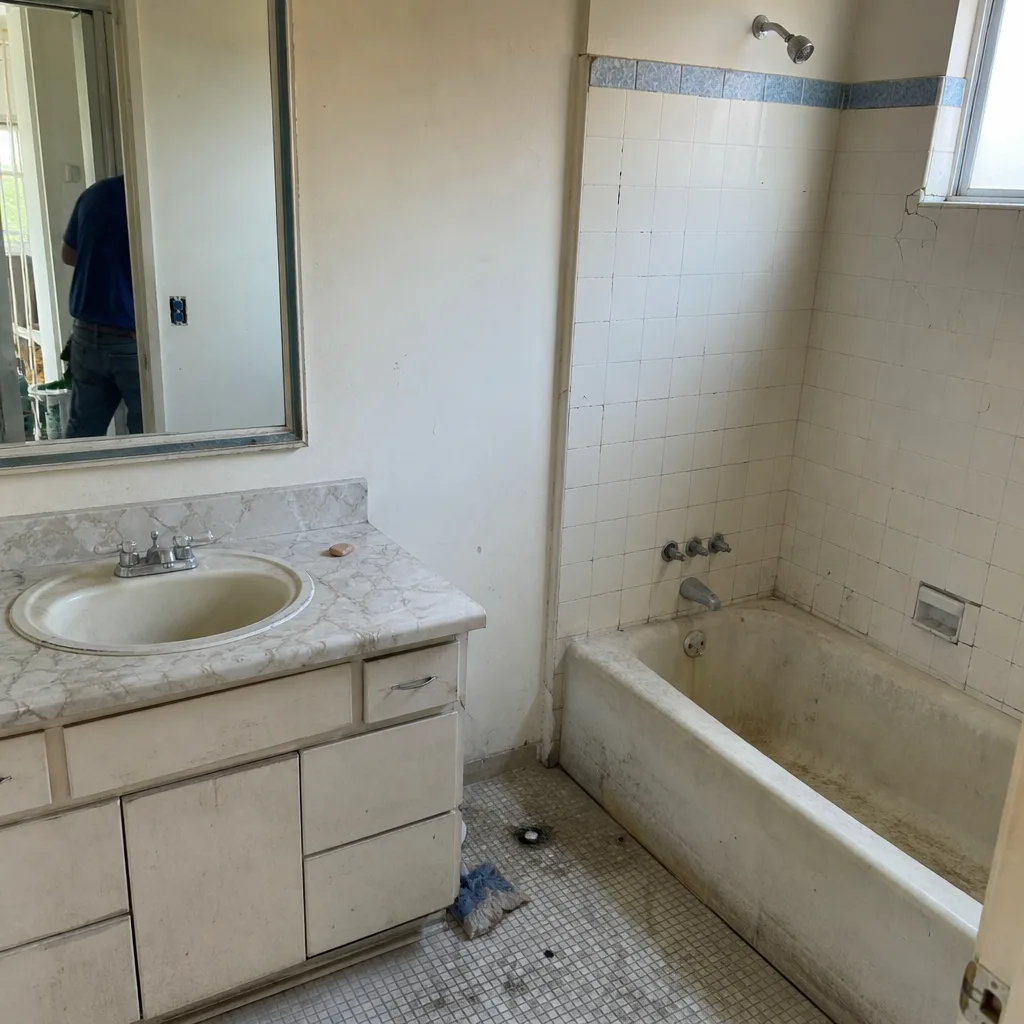 Before
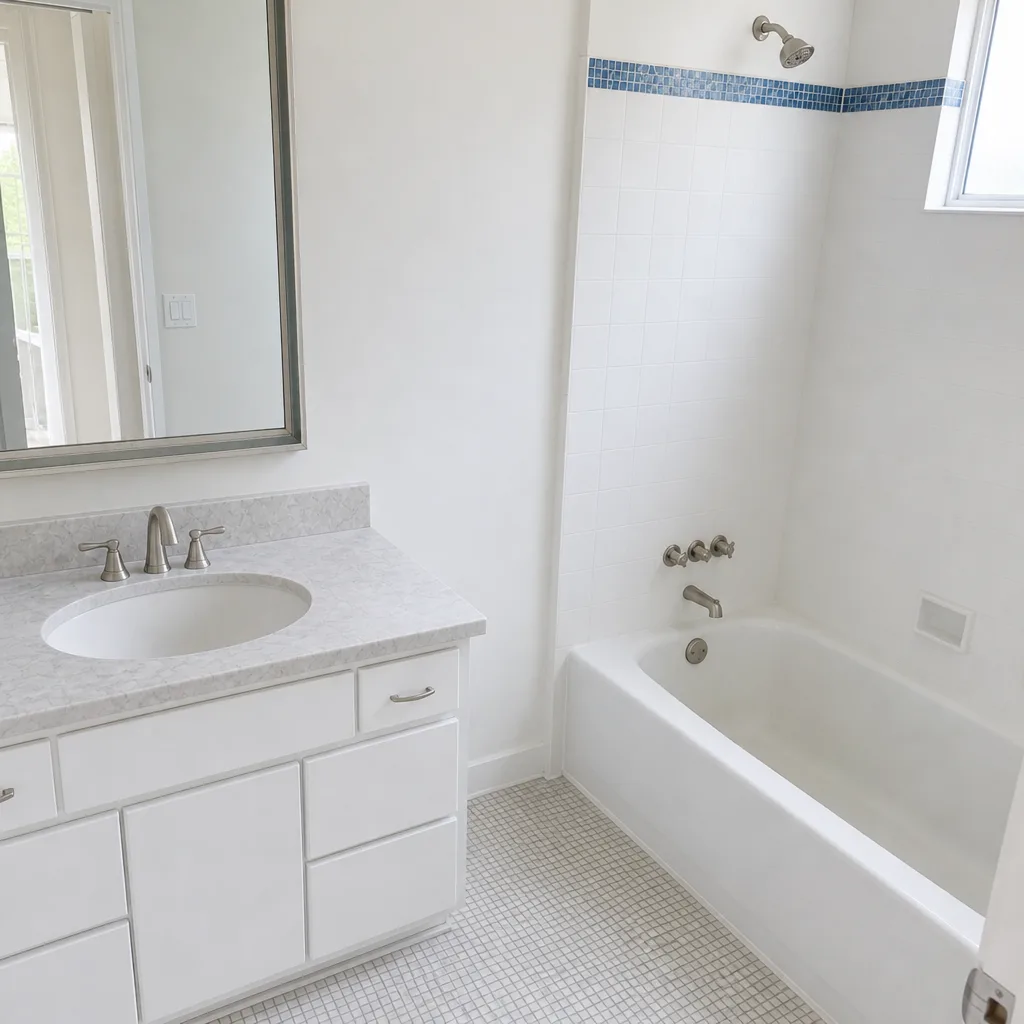 After
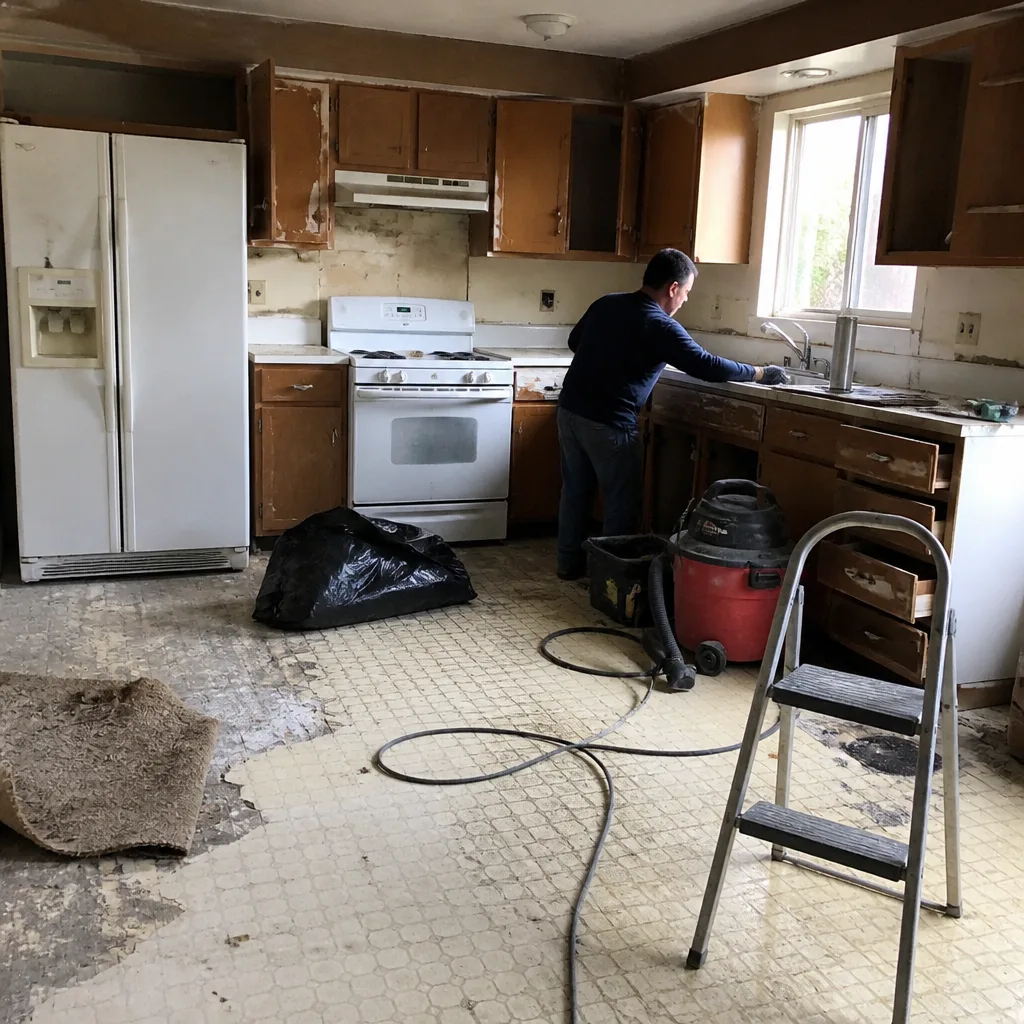 Before
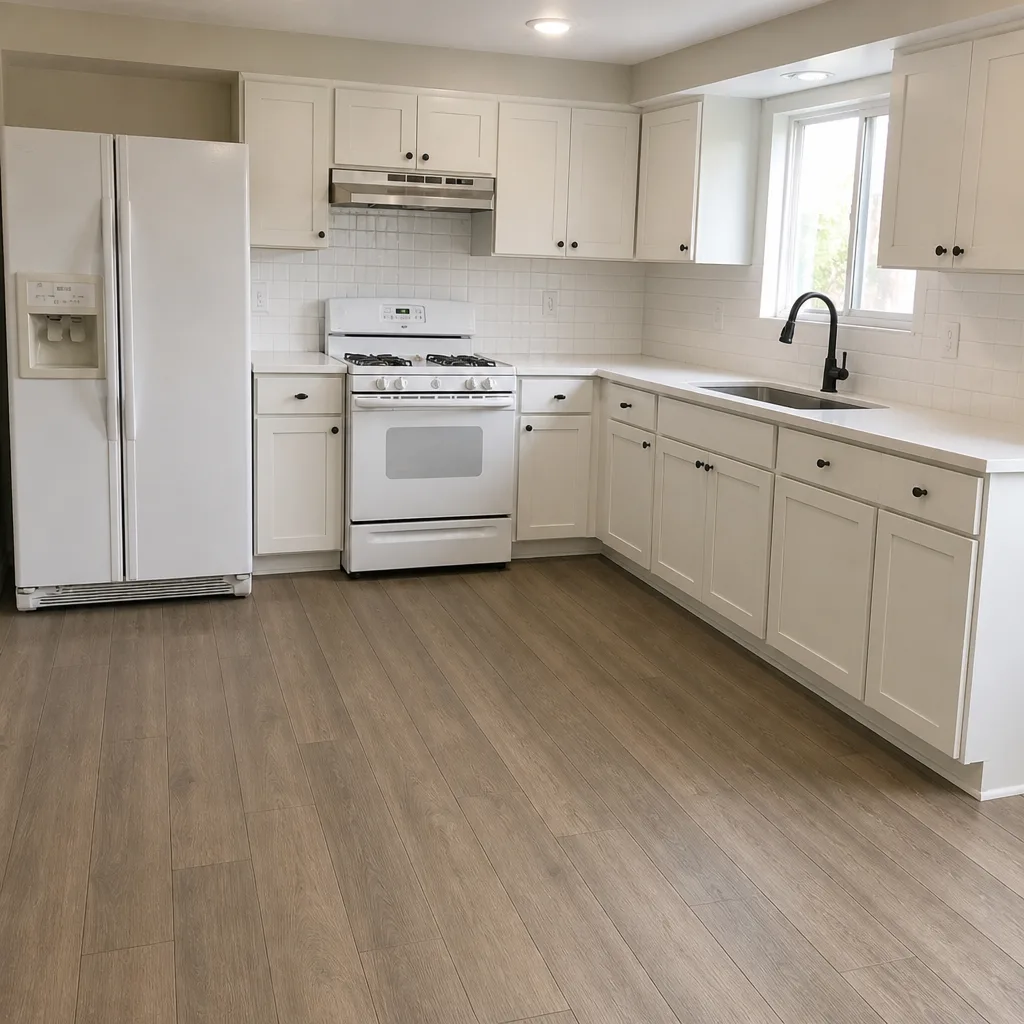 After
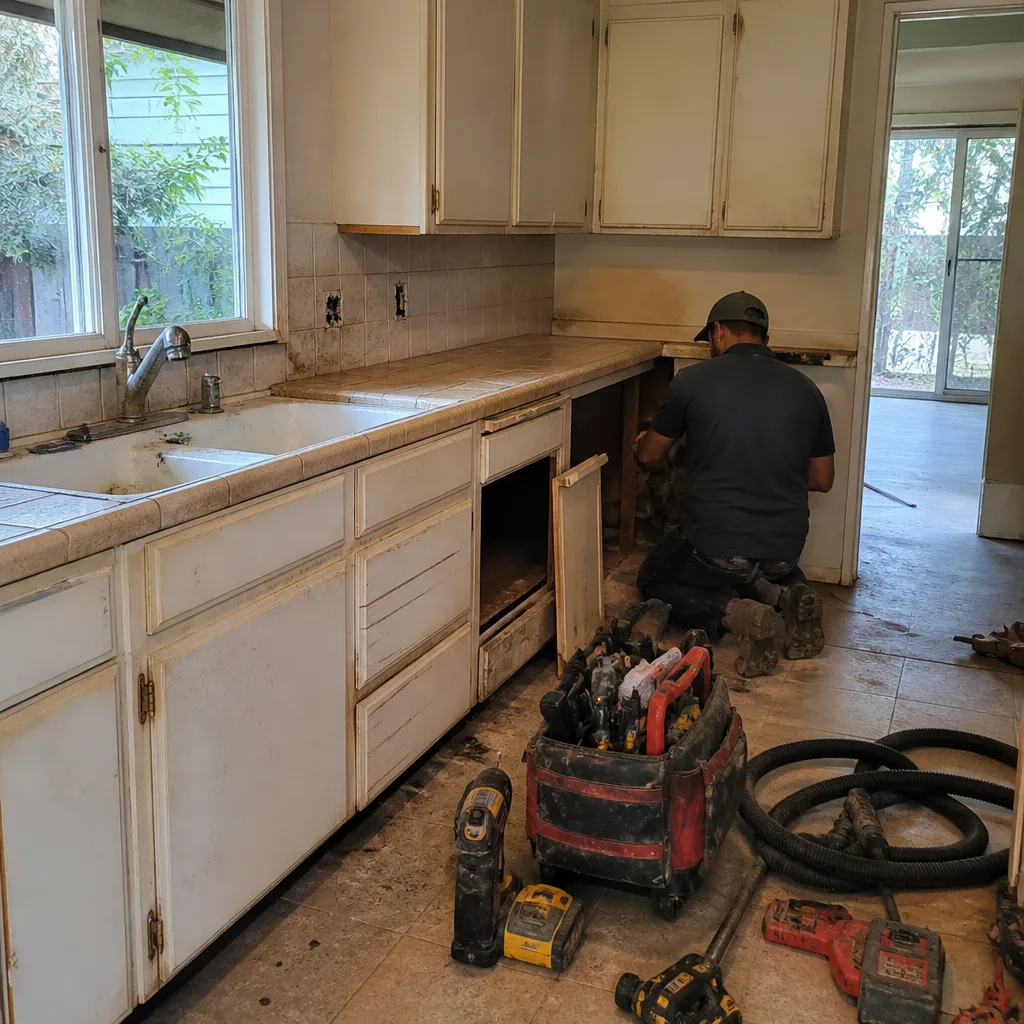 Before
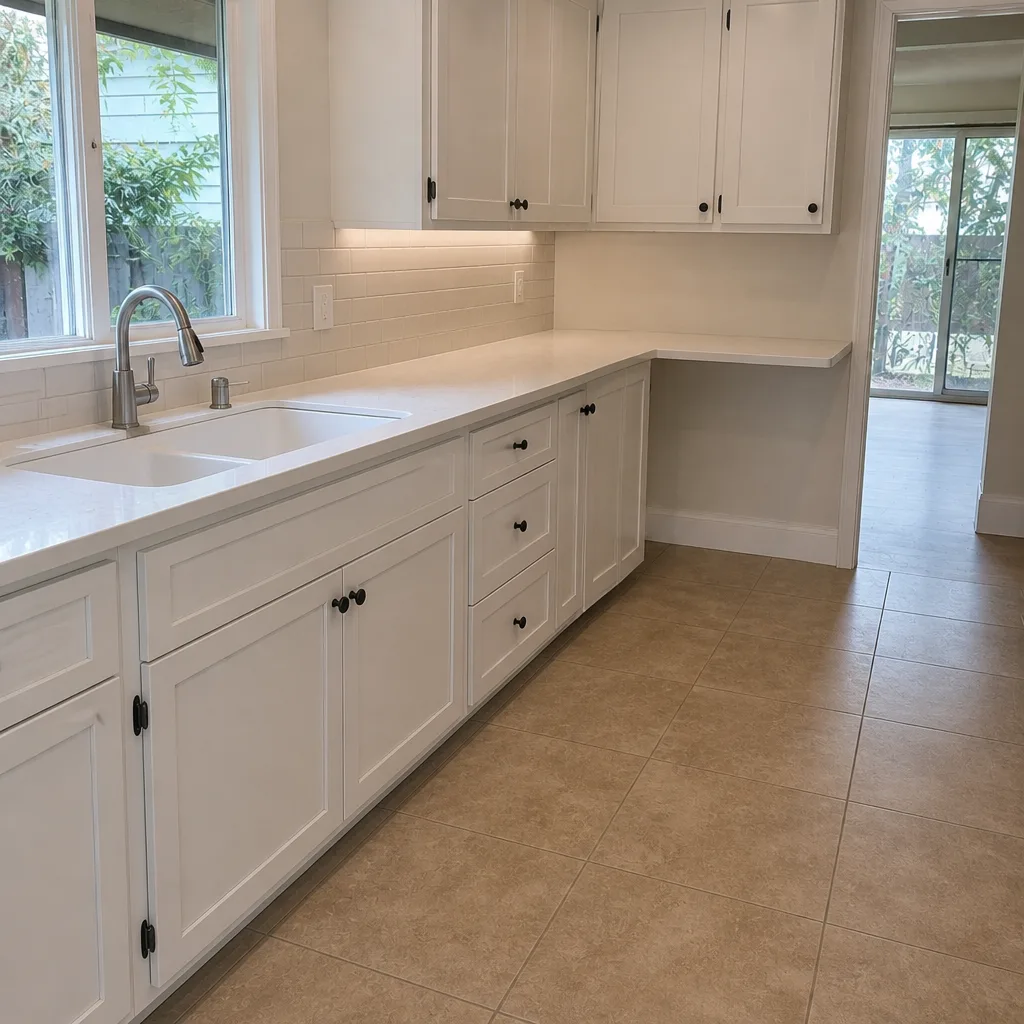 After
When to Call a Professional
Call a professional before you commit to a start date on any project that touches structure, envelope, or the electrical or mechanical systems. That includes additions and ADUs (which cannot be permitted without a compliant plan set), kitchens and bathrooms where walls, plumbing, or electrical are moving, roof replacements and window upgrades (both require correct product sizing and envelope detailing), and driveways where the site needs drainage correction before the pavers go down. Fence installation is deceptively simple to schedule and complicated to make permanent: post footings, grade transitions, and shared property-line details matter more than the fence panels. Construction Lake Forest offers free estimates in Lake Forest. Call (888) 397-8184. We answer 24/7. Fast dispatch from 7am to 7pm, Sunday through Friday.
Frequently Asked Questions
Site-built additions in Lake Forest typically run $250 to $450 per sq ft, so a 400 sq ft addition lands around $100,000 to $180,000, and a Title 24 compliance package adds roughly $8,000 to $14,000 on top. The written line-item estimate sets the final price. Call (888) 397-8184 for an exact quote; estimates are free.
Not if the estimate was written properly and covers the scope in line items. Fixed pricing with no change orders holds when the bid is complete and the site conditions were inspected up front; the changes that do occur usually come from items discovered during demolition on a remodel, which is what the 10 – 15% contingency exists for. Call (888) 397-8184 to walk through your scope and get a written estimate.
Yes. Permits are pulled as part of the project scope, and the permit and plan-check fees are listed as separate line items in the written estimate. That includes Title 24 documentation and the third-party HERS verification that follows the energy compliance install. Call (888) 397-8184 for a scope review specific to your property.
A site-built addition typically takes four to seven months from permit issuance to final inspection, with the plan check phase adding several weeks before that. Prefab and modular ADU systems from manufacturers like Mighty Buildings or Boxabl can compress the build phase substantially, though site work, foundation, and utility connections still take real time. Call (888) 397-8184 to talk through what a realistic schedule looks like for your lot.
Sometimes on the base unit, but not always on the all-in project. Prefab systems can land lower per square foot, but the site work, foundation, utility connections, and permit costs apply either way. The right answer depends on your lot and how much customization you need. Call (888) 397-8184 for a side-by-side comparison of both paths.
On both projects, labor and layout changes eat the largest share of the budget, followed by cabinetry and casework. On kitchens, cabinets from KraftMaid or Wellborn and counters from Cambria, Silestone, or Caesarstone typically run second and third after labor. On bathrooms, tile work and fixture packages (Kohler, Grohe, Toto) sit right behind the labor line. Call (888) 397-8184 for a line-item breakdown of your specific scope.
The Bottom Line
Cost guides written for a national audience miss the three variables that actually move a Lake Forest budget in 2026: Title 24 compliance adds $8,000 – $14,000 to a 400 sq ft addition scope on its own, Orange County labor runs above California averages, and material lead times carry scheduling costs that no per-square-foot number captures. The five projects that matter most price out at $250 – $450 per sq ft for a site-built addition, $180 – $350 per sq ft for an ADU, $12 – $22 per sq ft for a paver driveway, $18,000 – $35,000 for a full re-roof, and $65,000 – $120,000 for a full kitchen remodel. Every figure is an estimate; the written line-item quote is the number that counts.
Get one bid with every scope line named, the brands specified, the permit and Title 24 costs broken out, and the finish tier locked in writing. That single document will tell you more about your project than any online calculator can. Construction Lake Forest handles all seven of our service lines under one contractor relationship, so the driveway, the fence, and the addition on your list don’t need to be coordinated across separate trades. Call (888) 397-8184 for a free estimate. We answer 24/7. Fast dispatch from 7am to 7pm, Sunday through Friday. Our technicians have up to 8 years of experience, and the estimate is free.
Written by the team at Construction Lake Forest.