Last updated November 18, 2026


Free written scope consultation - allowances, timeline, and change-order rules on paper before a single trade is scheduled
How to Hire a Construction Contractor in Lake Forest: A Step-by-Step Guide
Two bids that look $15,000 apart often reflect the same final cost. One contractor priced real materials into the number, while the other padded the total with allowances that will grow the moment you pick anything off a showroom floor. The usual advice to collect three bids and glance at a license leaves Lake Forest homeowners exposed on exactly this point, and on a second one: hiring a specialty trade for a scope that legally and practically needs general contractor coordination. This guide walks through bid decoding, license class verification, subcontractor stability, contract terms that protect you, and the interview questions that separate an organized builder from a hopeful one.
Quick Answer
To hire a construction contractor in Lake Forest, verify the contractor’s CSLB license class matches the work (a B general building license for multi-trade and structural projects, a specialty class only for that single trade), compare bids on scope and allowances rather than bottom-line price, and put change order limits and lien releases in writing before work starts. For any project spanning more than one trade, hiring one licensed general contractor saves you from coordinating permits and schedules yourself.
Styles & brands we work with
- Kitchen remodeling
- Bathroom remodeling
- Home additions & ADU
- Roofing
- Windows & doors
- Driveway & pavers
- Fence
Table of Contents
- Step 1: Define Your Scope Before You Call Anyone
- Step 2: Verify the Right License Class for Your Project
- Step 3: Decode an Allowance-Heavy Bid vs. a Fixed-Scope Bid
- Step 4: How to Evaluate Subcontractor Relationships
- Step 5: Contract Terms That Protect Lake Forest Homeowners
- Step 6: Interview Questions That Reveal Coordination Problems
- Common Mistakes to Avoid
- When to Call a Professional
Step 1: Define Your Scope Before You Call Anyone
The single biggest driver of a bad bid comparison is an undefined scope. If your project is a bathroom, do you want the layout moved or kept? If it’s a roof, does the scope include sheathing replacement or just the surface? Contractors bid what they hear, and two contractors who hear different things write two bids that can’t be lined up against each other. Before you make a single call, write down the work in plain language and decide what you’re willing to move on.
Here’s how we recommend homeowners in Lake Forest structure that first pass:
- List the rooms and systems touched. A kitchen remodel that relocates plumbing affects framing, cabinets, countertops, and finish work. Write all of it down even if it feels obvious.
- Decide multi-trade vs. single-trade. A roof replacement, a fence, or a driveway is single-trade. A kitchen, bathroom, addition, or ADU touches framing, electrical, plumbing, drywall, and finishes – that’s a multi-trade project and it needs coordination.
- Pin your non-negotiables. If you want Cambria quartz countertops, say so at the bid stage. It’s the difference between a real price and an allowance line that will balloon later.
- Note the permit question. Structural work, additions, ADUs, and most electrical and plumbing changes need permits from the City of Lake Forest. Ask every bidder who pulls them.
- Set a realistic timeline. A bathroom remodel runs weeks, a kitchen typically longer, and an ADU runs months. Bids priced for a rushed schedule usually compromise somewhere.
This is where the breadth of a full-scope contractor pays off. When a single company handles Construction Lake Forest projects across roofing, windows, kitchens, baths, additions, fencing, and hardscape, there’s no handoff between trades and no finger-pointing when two subs disagree about who was supposed to box out the plumbing wall. One relationship, one accountability.
Step 2: Verify the Right License Class for Your Project
California licenses contractors through the Contractors State License Board, and the license class matters more than most homeowners realize. A general building contractor holds a B license, which allows them to take a project involving two or more unrelated trades – framing plus electrical plus plumbing, for example – and to pull the permits for that whole scope. A specialty contractor holds a C-class license limited to their trade: C-8 for concrete, C-39 for roofing, C-13 for fencing, and so on.
Here’s why this matters in plain terms. A C-8 concrete contractor can legally place your driveway and nothing else. They cannot pull a building permit for an ADU foundation, because that foundation is part of a building project involving multiple trades. If you hire a specialty contractor for a scope that exceeds their class, you can end up with a project that stalls at inspection, a permit that was never valid to begin with, or a contractor who quietly subcontracts the out-of-class work to someone you never vetted. All three cost real money.
Verification takes about five minutes:
- Look up the license number on the CSLB website. Confirm the name matches the person or company bidding, not a different entity.
- Check the license class against your project scope. Multi-trade structural work needs a B; single-trade work can use the matching C-class.
- Confirm the license is active and in good standing, with no disciplinary flags.
- Ask for a certificate of insurance showing general liability and workers’ compensation. If workers’ comp is missing, ask who employs the workers on your site.
- Ask directly: “Will you pull the permits for this project in your own name?” If the answer is vague, walk.
We can work with your insurer and keep the licensing piece straightforward: the contractor pulling your permits should hold the class that covers the whole project, not just the piece they’re comfortable with.
Step 3: Decode an Allowance-Heavy Bid vs. a Fixed-Scope Bid
Allowances are the most common place a Lake Forest homeowner gets surprised. An allowance is a placeholder dollar amount in the bid for a material the contractor hasn’t selected with you yet – tile, countertops, fixtures, cabinetry. It looks like a firm price. It isn’t. The moment you choose a product above the allowance, the difference gets added to your bill through a change order, and the total climbs well past the number you compared against.
We’ve seen two bids on the same kitchen sit $15,000 apart on paper and land in nearly the same place once real materials went in. One contractor priced KraftMaid or Wellborn cabinetry and Cambria quartz at the actual spec, the other used a low allowance that couldn’t buy a mid-grade cabinet line. The bid that looked cheap wasn’t. The bid that looked expensive was honest.
Use this comparison to force the real number out of any bid:
- Line item vs. lump sum. A lump-sum bid hides where money goes. Ask for a line-item breakdown by trade and material.
- Allowance count and amounts. Ask how many allowances exist and what each one covers. Then ask what happens if you pick above it.
- Product spec. Ask for named products, not categories. “Tile” isn’t a spec. “Installed with Schluter waterproofing and a named tile line” is.
- Exclusions. Every bid should have an exclusions section. Read it in full. What’s missing there is what you’ll pay for later.
- Change order process. Ask who authorizes a change, at what dollar threshold, and in what written form.
The winning question to force the real number to the surface: “If I select materials at the middle of your allowance range, what’s the final price?” Ask each bidder the same question and compare the answers. That’s the number that matters.
Step 4: How to Evaluate Subcontractor Relationships
A general contractor’s subcontractors make or break your timeline. Some builders work with the same electrical, plumbing, and drywall crews on every job – those crews know the builder’s standards and show up when expected. Others bid every job out fresh, taking the lowest sub that day. The difference shows up in your schedule, not in the bid, and that’s why it’s the hidden variable.
On a multi-trade project – a kitchen, a bath, an addition, an ADU – the sub relationships drive the calendar. Framing can’t start until demolition and inspection clear. Rough electrical and plumbing both need to be done and inspected before drywall goes up. Cabinets can’t be set until drywall and paint are finished and inspected. Every transition is a scheduling handoff, and a builder with stable sub relationships makes those handoffs cleanly.
Questions that reveal the difference:
- “Who’s your electrical sub on this project, and how many projects have you done with them?”
- “What happens if a sub no-shows? Who covers the schedule slip?”
- “Do you self-perform any trades, and which ones?”
- “How many projects are you running at the same time as mine?”
- “Who’s my single point of contact for the whole job?”
If the answer to the last question is anything other than a specific role or title at the builder’s company, that’s a coordination red flag. Multi-trade projects fail on handoffs, not on materials.
Step 5: Contract Terms That Protect Lake Forest Homeowners
A construction contract isn’t legal boilerplate. It’s the document that decides what happens when something goes differently than planned, which is most of the time on a remodel. Three terms do most of the protecting, and most homeowners never ask about them before signing.
Lien release schedules. In California, subcontractors and material suppliers can file a mechanics lien against your property if they aren’t paid, even if you paid the general contractor in full. Protect yourself with a schedule of conditional and unconditional lien releases tied to each payment. Ask the contractor to hand you a signed release from every sub and supplier at each payment milestone. No release, no check. This is standard practice and worth asking about from the first conversation.
Change order authorization thresholds. Agree in writing that any change order above a set dollar amount – say, a few hundred dollars – requires your signature in writing before work proceeds. Small changes are how budgets drift. Big changes get noticed; a stack of small ones doesn’t.
Inspection hold points. Building code inspections happen at specific stages – rough framing, rough electrical and plumbing, insulation, final. Your contract should name those hold points and state that no payment is due until the matching inspection passes. That single clause prevents expensive rework.
Ask about all three before signing. If a contractor can’t explain their change order process in plain language, keep interviewing.
Step 6: Interview Questions That Reveal Coordination Problems
Most homeowner interviews focus on price, timeline, and references. Those are the easy questions, and every contractor has a polished answer. The hard questions, the ones that reveal whether the builder can coordinate a multi-trade job, are rarely asked, and that’s where projects fail.
Here are the questions we think every Lake Forest homeowner should ask, and the answers that matter:
- “Walk me through the sequence on my project, day one to final inspection.” A builder who has done the work can narrate the sequence. A builder who hasn’t will rely on generalities.
- “Which inspections do you schedule, and at what stages?” The answer should match the actual work: framing, rough-in, insulation, final. If they can’t name them, they don’t schedule them well.
- “What’s the biggest coordination risk on my project, in your opinion?” A good answer names a specific risk – cabinet lead time, an inspection schedule, an unknown behind the wall – not “nothing, we’ve got this.”
- “Who’s on site every day as the superintendent, and how do I reach them?” Single point of contact, every day, is non-negotiable on multi-trade work.
- “Have you ever had a project fail an inspection? What happened?” Every builder has. The answer tells you whether they own it.
- “Can I speak with a homeowner for a project like mine, in the last year?” The right reference is the one matching your scope, not a generic testimonial.
For a roof, a window replacement, or a driveway & pavers job, fewer of these apply – single-trade work has fewer handoffs. For a kitchen, bath, addition, or ADU, all of them apply.
Common Mistakes to Avoid
- Hiring a specialty sub for a multi-trade scope. A concrete or roofing contractor can’t legally pull the permits for an ADU or an addition. If a builder you’re talking to suggests they can, ask for their license class in writing.
- Comparing bottom-line bids without comparing scopes. Two bids that differ by $15,000 may be identical in final cost once allowances are priced out. Compare line items, not totals.
- Ignoring allowances. The allowance isn’t the price. Ask what the price becomes at the middle of the allowance range, and write the answer down.
- Skipping lien releases. Pay with the release in hand at every milestone. A lien against your property is expensive to clear, even when you paid in full.
- Signing a contract with no change order threshold. Every change, no matter how small, should require your written approval above an agreed dollar amount.
- Not asking who the daily site contact is. On a multi-trade project, the failure mode is a slow handoff nobody owns. Name the contact before work starts.
- Assuming a permit isn’t needed. Most structural, electrical, plumbing, and addition work needs a City of Lake Forest permit. Ask the building department before assuming otherwise.
When to Call a Professional
Some work is genuinely a call-a-pro situation, and no amount of YouTube watching closes the gap. Structural changes to a home – load-bearing wall removal, additions, ADU construction – need engineering, permits, and licensed trades. Roof replacement and window and door replacement touch the building envelope, where a water intrusion problem starts and cascades. Kitchen and bathroom remodels involve plumbing, electrical, waterproofing, and finish carpentry, and a single missed step in waterproofing turns into rot. Hardscape and fence installation depend on proper sub-base and footing depth to hold up over the years. When the scope touches multiple trades or structural elements, one licensed contractor coordinating the whole job is the right call.
Construction Lake Forest offers free estimates in Lake Forest – call (888) 397-8184. We answer 24/7. Fast dispatch from 7am to 7pm, Sunday through Friday.
See the difference
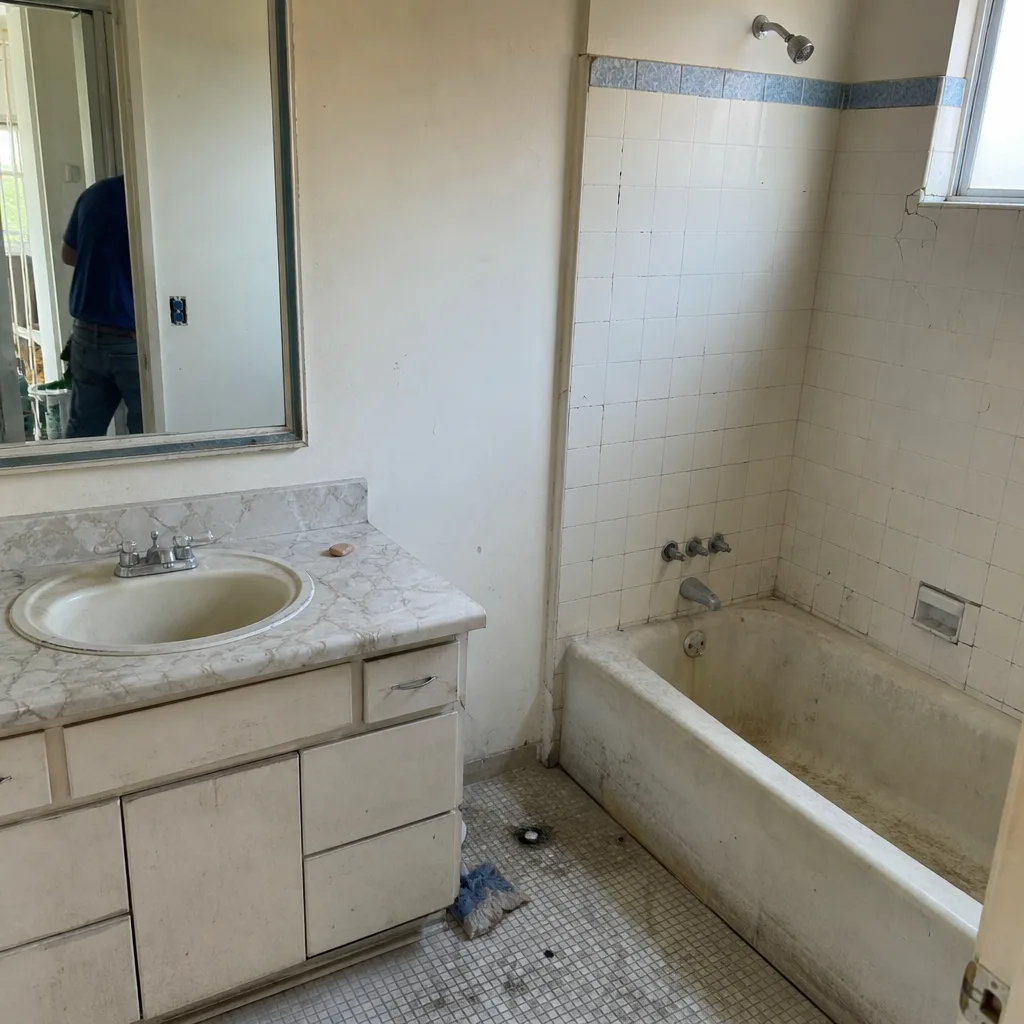 Before
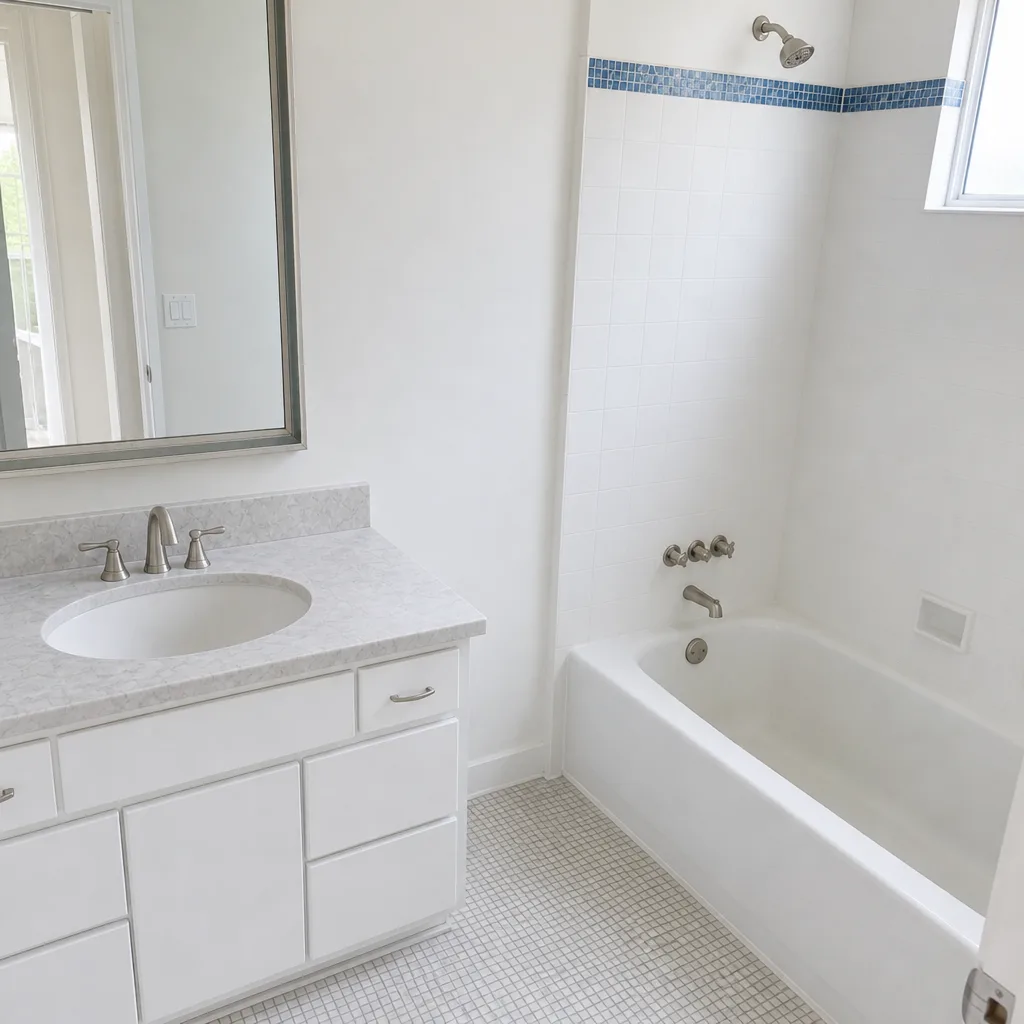 After
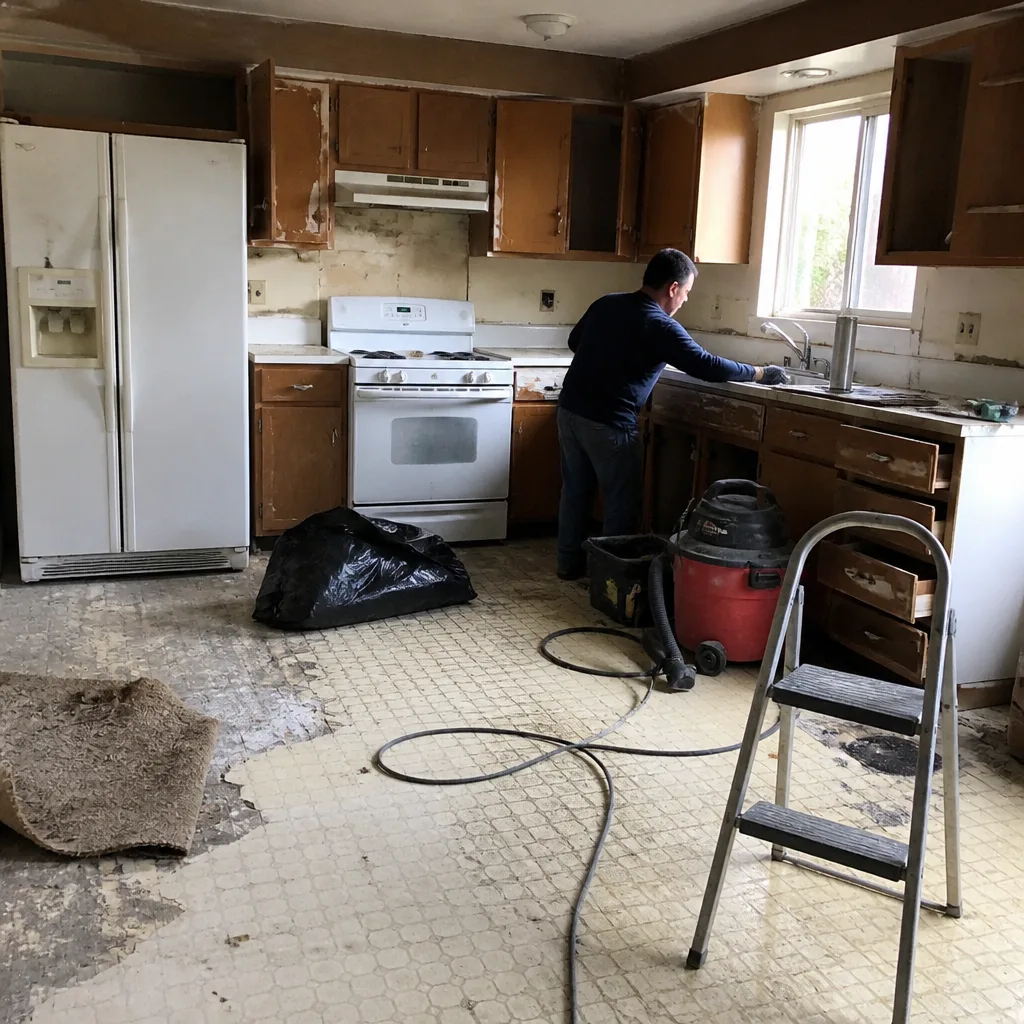 Before
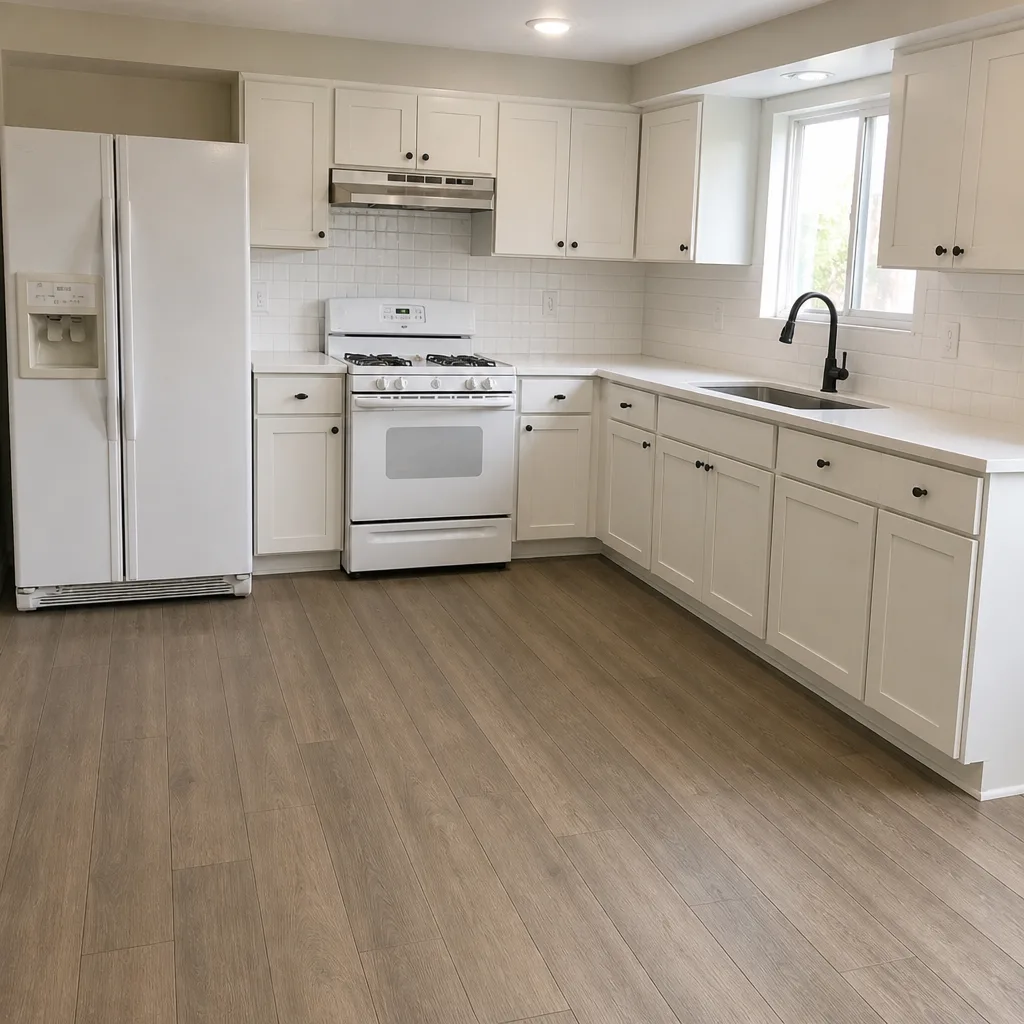 After
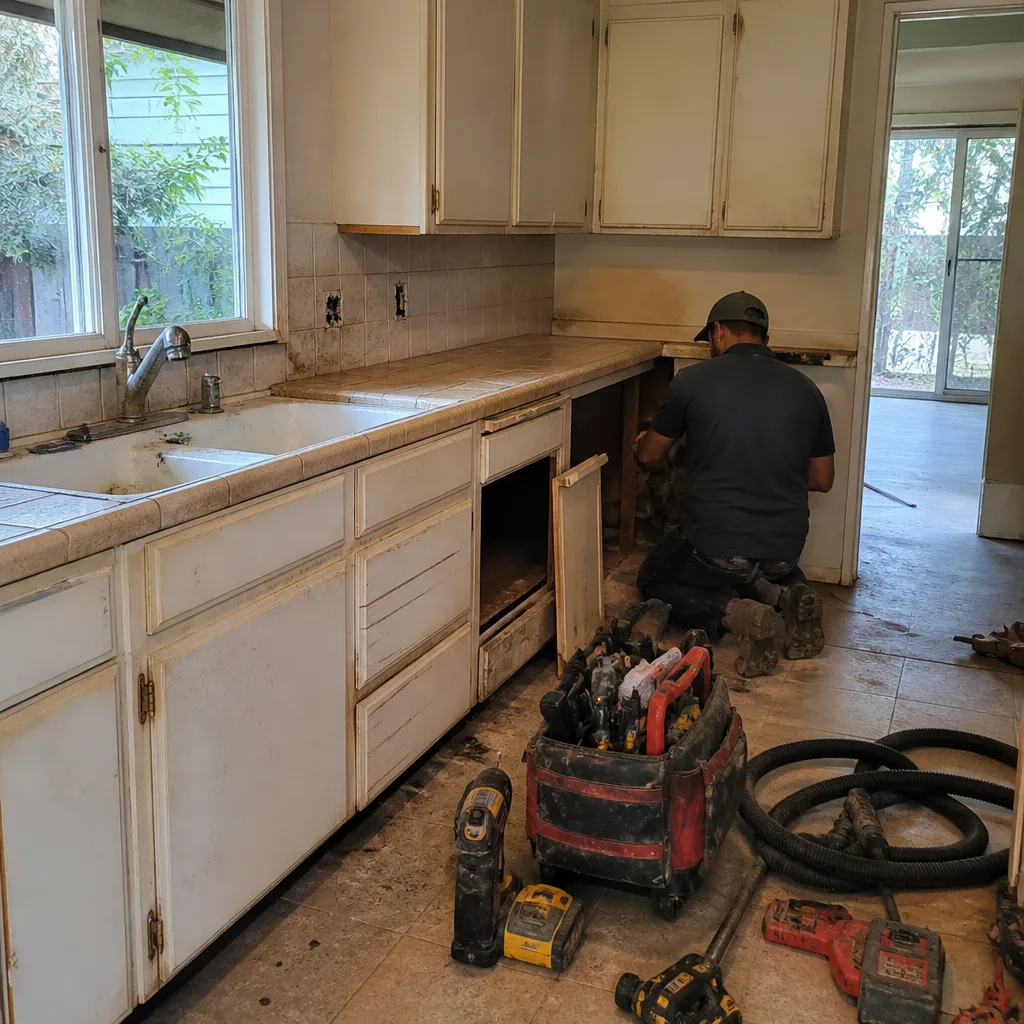 Before
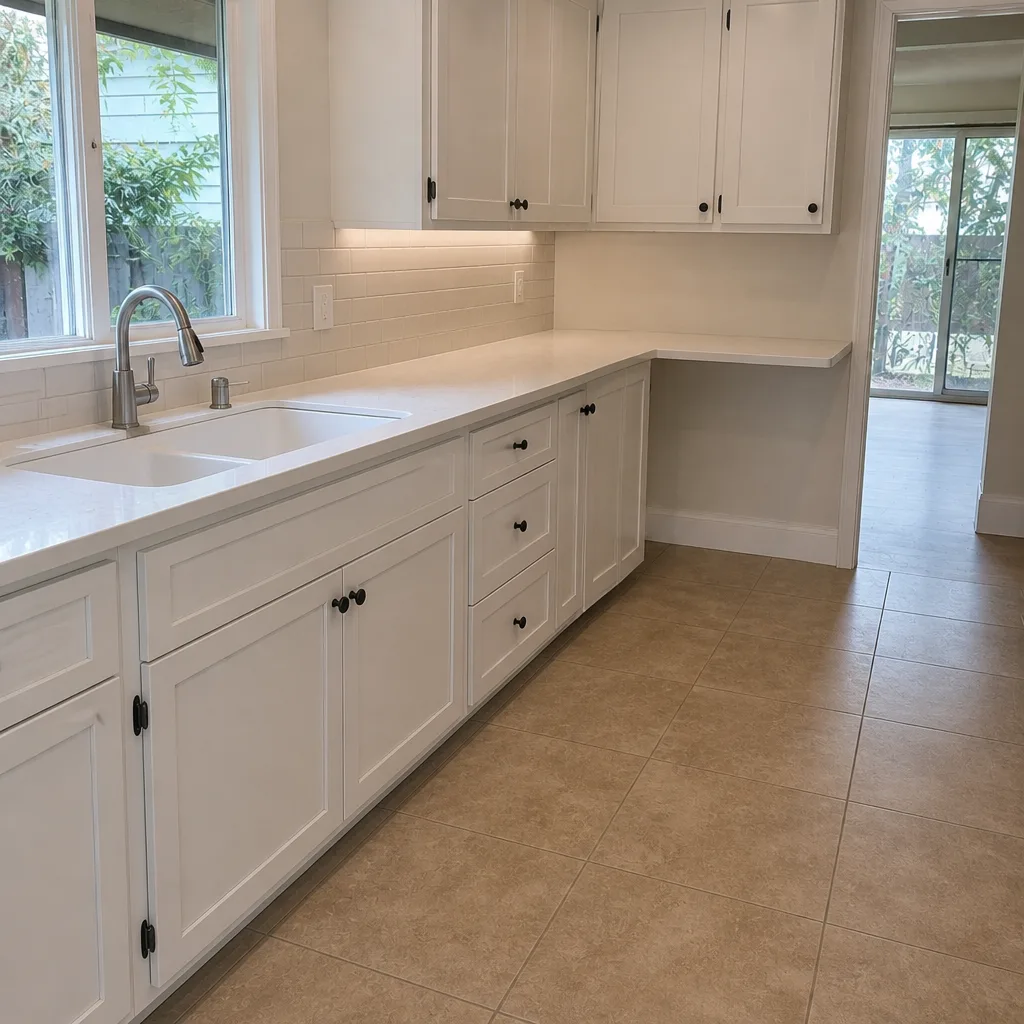 After
Frequently Asked Questions

A B general building license allows a contractor to take projects involving two or more unrelated trades and to pull permits for the whole scope; a C-class license is a specialty license limited to a single trade, like concrete or roofing. For a multi-trade project like a kitchen remodel, an addition, or an ADU, you need a contractor with a B license. Ask for it in writing and verify on the CSLB website. Call (888) 397-8184 for a free estimate on your project.
Compare line items and allowance amounts, not bottom-line totals. Ask each bidder the same question: “If I select materials at the middle of your allowance range, what’s the final price?” The answer to that question is the number to compare. Call (888) 397-8184 for a written, line-item quote on your Lake Forest project.
In most cases, yes – any remodel that moves plumbing, electrical, or structural elements needs a permit from the City of Lake Forest. Ask your contractor to confirm what permits are needed and who pulls them; the contractor pulling them should hold the license class covering the full scope. Call (888) 397-8184 to talk through your project’s permit requirements.
A bathroom remodel typically runs several weeks and a kitchen often longer, with the schedule set by cabinet and countertop lead times and by inspection hold points. The written schedule should name those hold points. Get a realistic timeline in your estimate. Call (888) 397-8184 for a free estimate with a line-item scope and schedule.
Any change above an agreed dollar threshold should require your written signature before work proceeds. This is why the change order process belongs in the original contract, not in a side conversation. Ask every bidder to show you their change order process before you sign. Call (888) 397-8184 to discuss how we structure change orders on your Lake Forest project.
Yes, when the contractor is set up to coordinate multiple trades rather than specialty-only work. A full-scope builder brings roofing (installed with GAF, CertainTeed, or Owens Corning systems), window and door replacement, kitchen and bath remodels, additions and ADUs, fencing, and hardscape under one relationship. The advantage shows up in the schedule: no handoffs, no finger-pointing. Call (888) 397-8184 for a free estimate across any of these categories.
The Bottom Line
The right way to hire a construction contractor in Lake Forest is to define your scope first, verify the license class matches the work, compare bids on line items and allowances rather than totals, evaluate the subcontractor relationships, and put lien releases, change order thresholds, and inspection hold points in the contract. The three questions that separate organized builders from hopeful ones: “Walk me through the sequence on my project,” “What’s the biggest coordination risk on my project,” and “Who’s my daily site contact?” Ask them. The answers tell you more than any reference list.
If your project spans multiple trades – a kitchen, bath, addition, or ADU – one contractor coordinating everything saves you from managing the schedule yourself. For a home additions & ADU build, that coordination is the difference between a clean build and a stalled one.
Construction Lake Forest is available to walk through your project scope and put a written, line-item estimate in front of you. Our technicians have up to 8 years of experience, and our material selections draw from 50+ vetted manufacturer brands across roofing, cabinetry, countertops, plumbing fixtures, windows, doors, fencing, pavers, and ADU systems. Call (888) 397-8184 for a free estimate. We answer 24/7. Fast dispatch from 7am to 7pm, Sunday through Friday. Your project deserves one relationship and a written scope, and we’re here to put that together with you.
Written by the team at Construction Lake Forest.