Last updated November 18, 2026
Free written scope consultation - allowances, timeline, and change-order rules on paper before a single trade is scheduled
Choosing the Right Construction Brand: A Buyer’s Guide for Lake Forest
A premium composite decking brand rated for Pacific Northwest moisture resistance can still fade and grain-crack ahead of schedule in Lake Forest’s UV environment. Not because the product is poor. Because the warranty was written for a different climate profile than Orange County delivers. This is the quiet mistake that costs homeowners real money: buying the best-marketed brand instead of the best-matched one. In this guide, we’ll walk through how experienced contractors in this market actually specify materials, why Orange County’s UV load, low humidity, and hard water change the answer, and which brands keep showing up on the jobs we run across Lake Forest. You’ll learn to read warranties like a contractor, spot climate-mismatched products, and ask the questions that force a real specification instead of a sales pitch.
Quick Answer
The right construction brand in Lake Forest is the one engineered for a high-UV, low-humidity, hard-water climate, not the one with the best national advertising. That means concrete roof tile makers with a track record in Orange County thermal cycling, Class A composition shingle lines where WUI fire ratings apply, paver and sealer brands built for intense sun, and window manufacturers who already handle California Title 24 documentation. Match the product to the environment, then read the warranty exclusions before you sign.
Styles & brands we work with
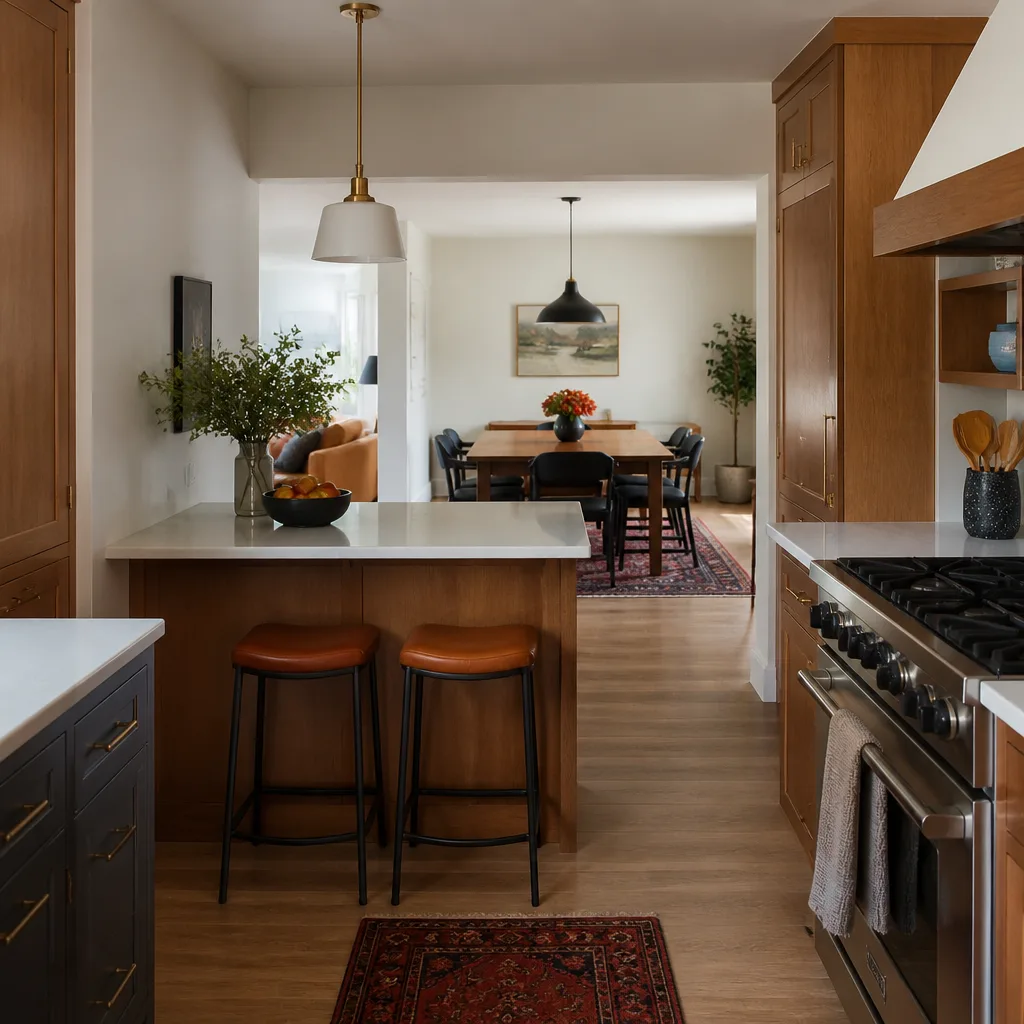
- Kitchen remodeling
- Bathroom remodeling
- Home additions & ADU
- Roofing
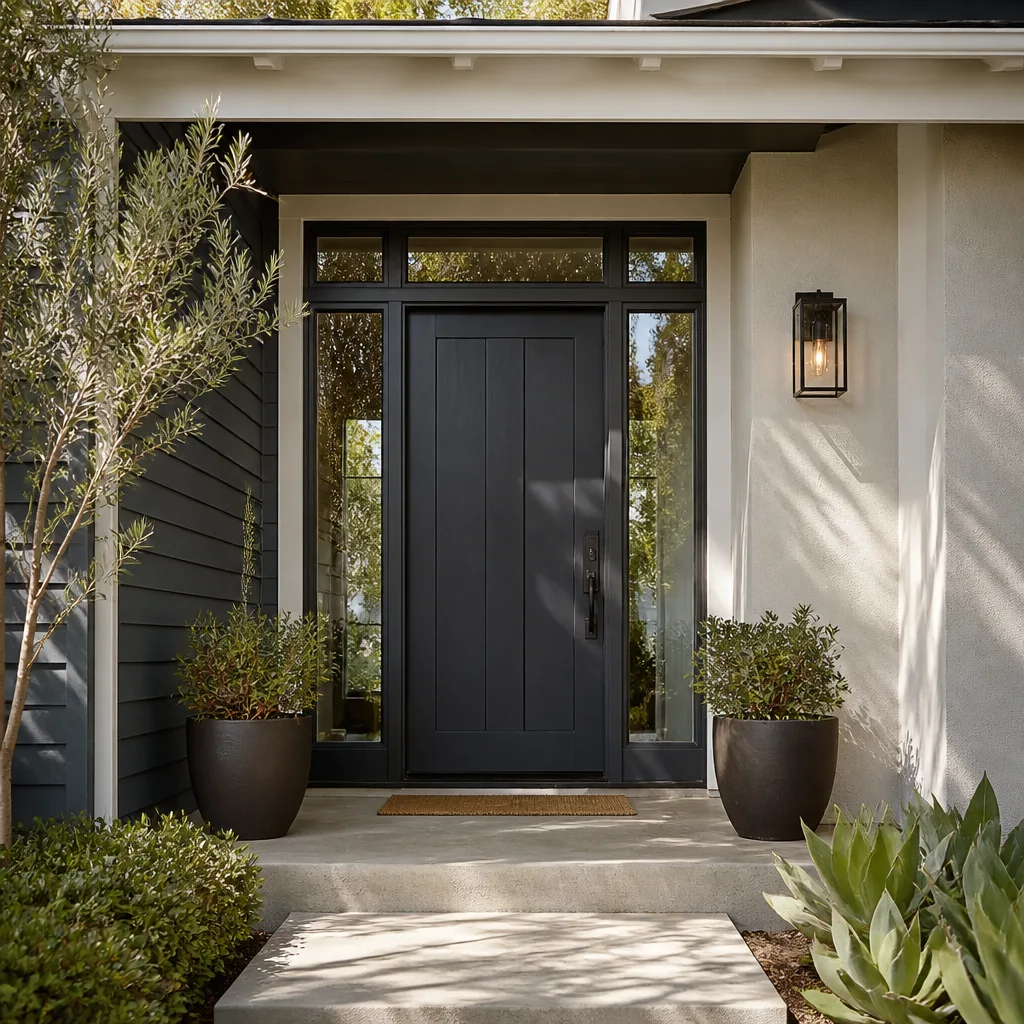
- Windows & doors
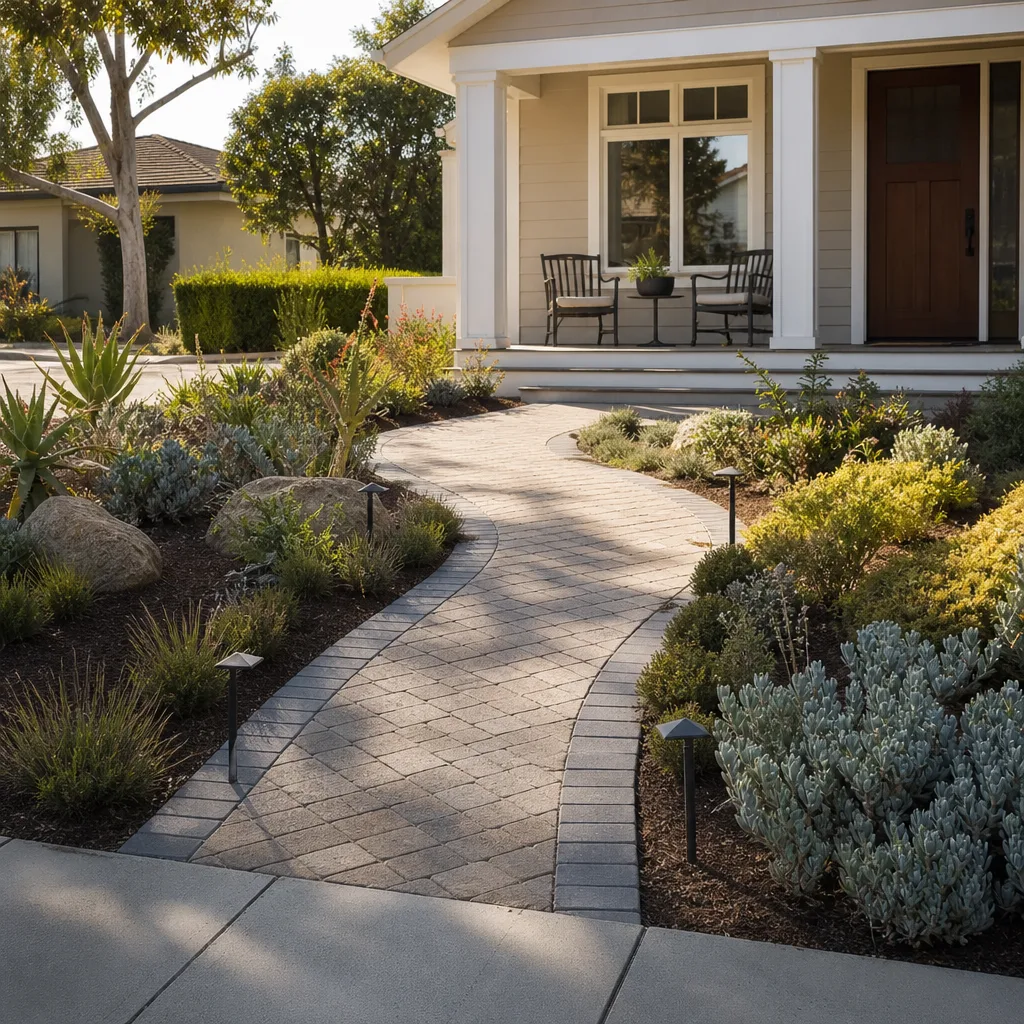
- Driveway & pavers
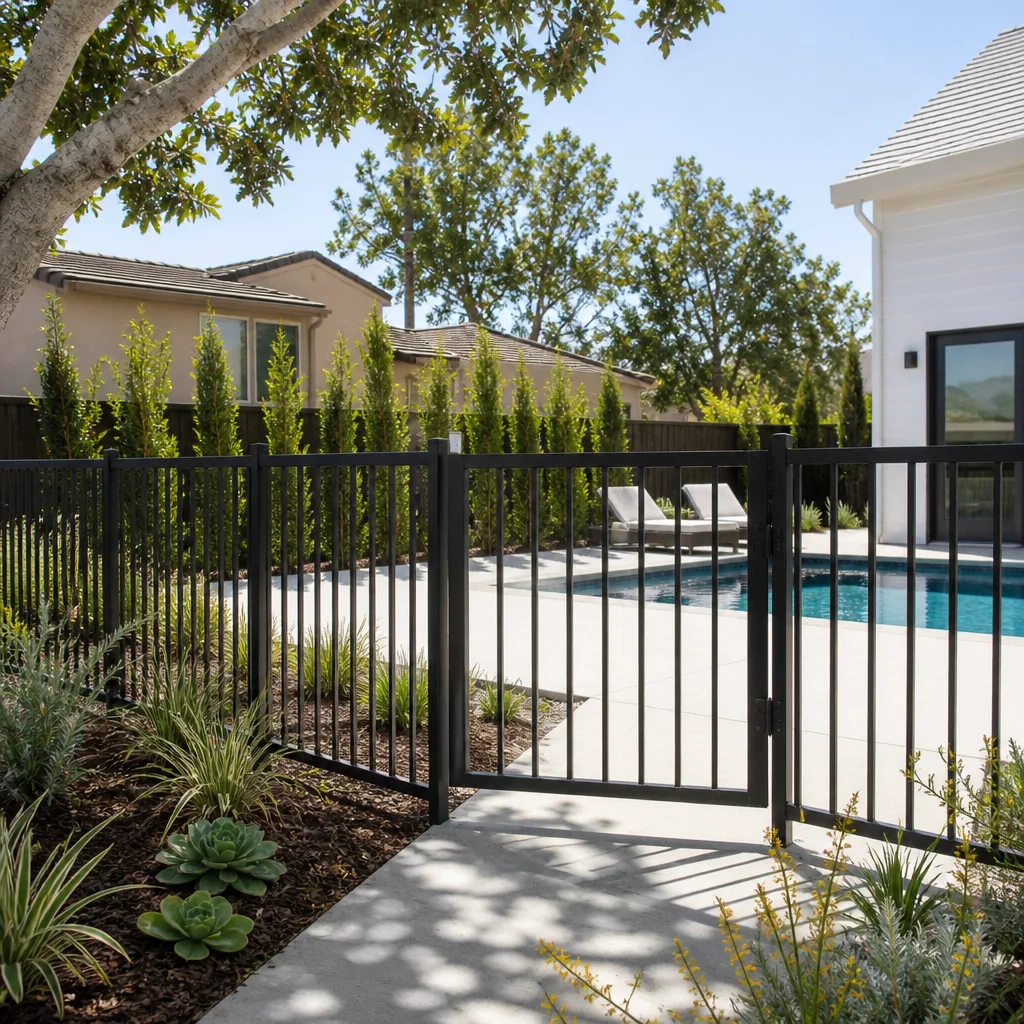
- Fence
Table of Contents
- Why Lake Forest’s Climate Changes Brand Selection
- Roofing Brands for Thermal Cycling and Fire Zones
- Pavers and Sealers Built for High-UV, Low-Moisture Conditions
- Stucco Systems: One-Coat vs. Three-Coat Manufacturers
- Windows and Doors That Clear Title 24 and Your HOA
- How to Read a Manufacturer Warranty for Orange County Conditions
- Interior Brands: Cabinetry, Countertops, and Fixtures
- A Step-by-Step Framework for Evaluating Any Brand
Why Lake Forest’s Climate Changes Brand Selection
Most building products are tested and warrantied against a national climate average. Lake Forest doesn’t sit on that average. Inland Orange County delivers intense ultraviolet exposure year-round, low humidity for most of the year, and a mild winter that never stress-tests a product the way a cold-weather market would. That combination punishes materials differently than the marketing assumes. A deck board or sealer that performs beautifully in a wet, cloudy climate can fail early under relentless sun. A paver formulated for freeze-thaw durability may not address the color-fade and efflorescence issues that high-UV exposure actually creates here.
Winters in Lake Forest are mild, so the brands we lean on aren’t selected for cold-weather toughness. They’re selected for sun, heat cycling, and water chemistry. That reframes the whole buying decision.
The three local stressors that drive selection
- UV load. Pigment stability, fade resistance, and surface integrity matter more than moisture resistance for anything left outdoors.
- Thermal cycling. Roof surfaces expand and contract daily. Brands with proven performance in repeated heat cycles hold up better than those tuned for a single cold season.
- Hard water. Mineral-heavy water in the region affects fixtures, seals, and finishes. Brands that specify materials tolerant of mineral deposits last longer.
When we evaluate a brand for a Lake Forest project, the first question isn’t “what does it cost.” It’s “was this product designed for conditions like ours.” A mid-tier product selected for the actual environment routinely outperforms a premium product selected for a different one. That single principle drives every recommendation below.
Roofing Brands for Thermal Cycling and Fire Zones
Roofing is where brand selection carries the most consequence in Lake Forest, because the roof faces the most sun and sits in territory where wildfire exposure is a real planning consideration. Two product families dominate here: concrete tile and composition shingle. Each has a different performance story.
Concrete tile manufacturers and thermal cycling
Concrete tile is common across Orange County for good reason. It handles daily heat cycling without the curling that shingles can develop, and its mass keeps attic temperatures in check. The brands with real track records in this market are the ones whose tile bodies and coatings hold color under sustained UV. When we specify concrete tile, we look for manufacturers with documented performance in high-sun, mild-winter climates, not brands that market heavily to cold-weather regions where their tile is tested against a different stressor entirely.
Composition shingles and Class A fire ratings
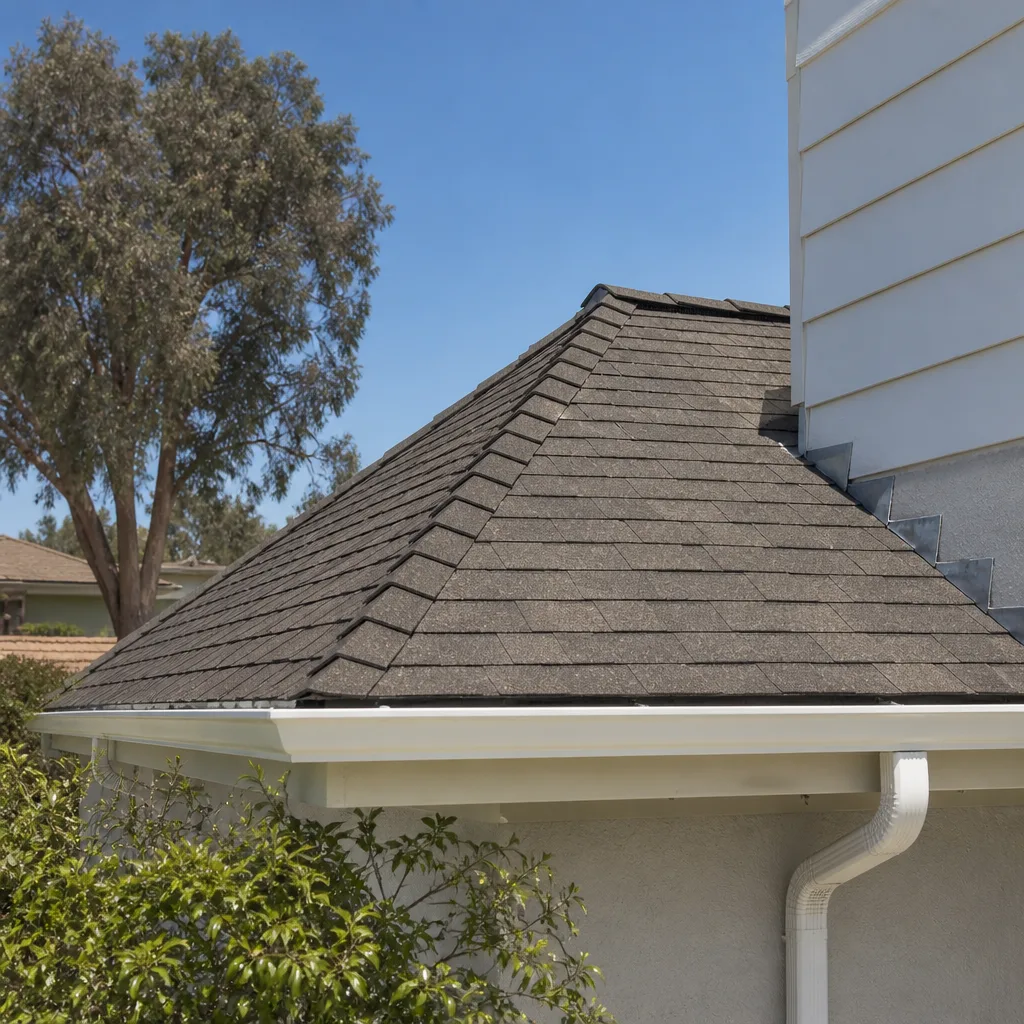
Where a roof sits near a wildland-urban interface zone in or around Lake Forest, fire ratings stop being optional. Class A fire-rated composition shingle lines are the standard, and the major manufacturers all offer them. GAF, CertainTeed, and Owens Corning each make Class A lines that we specify regularly, with IKO, Tamko, Atlas, and Boral rounding out the bench. The buyer’s job is to confirm the specific product line carries the Class A rating, not just the brand. A brand selling both rated and non-rated lines will happily quote the cheaper one.
What to ask before you sign
- Which specific product line is being quoted, and does it carry the fire rating your zone requires?
- Is the manufacturer’s warranty written for high-UV, mild-winter climates?
- Does the quote name the underlayment and flashing brands, or only the shingle?
- Who handles the manufacturer registration if a claim is ever needed?
Roofing brand choice is inseparable from installation quality. We cover both together in our guide to Construction Lake Forest, because a GAF Timberline shingle installed badly performs worse than a lesser shingle installed right. If your project touches the roof, start the conversation with the material spec, not the price.
Pavers and Sealers Built for High-UV, Low-Moisture Conditions
The paver market is crowded with brands optimized for wetter climates. Those products are fine back East. In Lake Forest they can lose color faster and show efflorescence that a sun-and-dry climate doesn’t wash away. The brands we specify are the ones built for intense UV and minimal rainfall: Belgard, Techo-Bloc, Unilock, Tremron, and Cambridge Pavers. Each has lines engineered for color stability and structural integrity under sun load rather than freeze-thaw.
Why sealer choice matters more than you’d think
A good paver with the wrong sealer will underperform. In a high-UV, low-moisture environment, the sealer is what protects pigment and resists surface degradation. Brands that market broadly but formulate for wet climates can yellow or wear prematurely under relentless sun. When we recommend a sealer, we match it to the paver manufacturer’s own recommendation wherever possible, because a manufacturer-approved sealer keeps the warranty intact. Quikrete and Sakrete products appear on our projects for base and jointing where the application calls for them, and Oldcastle remains a familiar name for many hardscape buyers.
Picking the right paver for the job
- Driveways. Look for a paver rated for vehicular load with UV-stable color, plus a sealer matched to high sun exposure.
- Patios and walkways. Color and texture brands like Techo-Bloc and Belgard give you design range without sacrificing fade resistance.
- Pool decks. Heat and slip resistance matter more than freeze-thaw rating here. Cambridge Pavers and Unilock both offer lines worth asking about.
The hardscape decision is a long one, because the surface will sit in the sun for years. Get the brand-and-sealer pairing right at specification, and our driveway & pavers program handles the rest. The same principle – match the product to the environment – applies to the fence line as well.
Stucco Systems: One-Coat vs. Three-Coat Manufacturers
Stucco is nearly universal on Southern California homes, and brand selection here is less about the color coat than about the system behind it. There are two broad families: one-coat systems and three-coat (traditional) systems. They behave differently depending on the substrate they’re applied to, and experienced Orange County contractors specify them differently with good reason.
One-coat systems
One-coat systems combine base and finish in a factory-controlled product, which gives consistent performance and faster installation. They’re specified frequently on newer construction and over continuous rigid insulation. The trade-off is that application has to match the manufacturer’s spec closely to perform. Brands in this space earn their place by documenting their system compatibility with specific substrates.
Three-coat systems
Three-coat systems are the traditional scratch, brown, and finish layers. They offer more flexibility over varied substrates and thicker, more durable assemblies, which is why they remain common on remodeling and repair work where the wall buildup may not be uniform. The manufacturers we specify in this category are the ones whose written system instructions cover the range of substrates we actually encounter in Lake Forest.
Matching the system to the substrate
- Identify the substrate: wood frame, masonry, or rigid insulation.
- Confirm the manufacturer’s written spec covers that substrate.
- Verify the finish coat and base come from the same system manufacturer, not mixed.
- Ask how the system handles control joints and transitions to keep cracks contained.
- Confirm the applicator follows the manufacturer’s documented method, not a generic one.
Mixing brands across a stucco system is a common cost-cutting move that voids manufacturer coverage. When a claim arises later, that decision matters. Specify the system as a unit, and hold the applicator to the manufacturer’s written instructions.
Windows and Doors That Clear Title 24 and Your HOA
Window and door selection in Lake Forest runs through two gates that most buyers underestimate: California’s energy code (Title 24) and HOA architectural approval. A window that fails Title 24 compliance paperwork can’t be permitted as specified. A window the HOA rejects has to be returned, sometimes after the order is placed. Both gates are cleared more easily by manufacturers who’ve already done the documentation work.
The Title 24 gate
California’s Title 24 sets performance requirements windows and doors must meet to be permitted. The strong manufacturers publish the compliance documentation needed, which is what a permit reviewer wants to see. Brands like PGT, CGI, and Therma-Tru come from a bench where the energy performance and documentation are already established for California applications. When we specify a window, we’re looking for the performance spec and the documentation package, not just the look.
The HOA gate
Lake Forest has homeowner associations with architectural review requirements. Window and door replacements often have to match style, color, and configuration limits set by the HOA. The manufacturers who’ve worked in this market already offer the frame styles and colors that tend to clear review. That’s not a guarantee, but it means the conversation with your HOA starts from a better place. Check your HOA’s architectural guidelines before you finalize a brand, and get approval in writing before the order goes in. That’s the story across our fence installation and door projects too: approvals first, materials second.
What to bring to your own window decision
- Your HOA’s architectural standards document.
- The Title 24 compliance spec for the product line being quoted.
- At least two brands compared on performance spec, not just appearance.
- A written confirmation that the installer files the manufacturer’s registration on your behalf.
Windows and doors are one of the categories where brand breadth genuinely helps. A single-brand contractor will fit your house to the brand. We source from a broad manufacturer bench, so the recommendation follows your performance spec and budget rather than a single-brand constraint.
How to Read a Manufacturer Warranty for Orange County Conditions
The words “limited lifetime warranty” mean less than they sound. What matters is what the warranty excludes, because exclusions are where coverage disappears under the most common local failure modes. In Lake Forest, that usually means fading, color loss, efflorescence, and thermal-related surface deterioration. If the warranty was written for a different climate, it may exclude the very failures you’ll see here.
What “limited lifetime” actually means
It usually means the product is covered for as long as you own it, minus a list of exclusions. Some of those exclusions are reasonable. Some quietly eliminate coverage for the failures that happen most often in high-UV, low-moisture climates. The best brands in a market align their warranty coverage with the failures that actually occur there.
The exclusions that eliminate your coverage here
- Fade and color-change exclusions. If fading is excluded and the product fades under UV, you have no claim. Look for brands that address fade separately or offer a color-performance guarantee.
- Efflorescence exclusions. On pavers and stucco, efflorescence can appear after installation. Confirm whether the brand’s warranty covers it or merely disclaims it.
- Installation-by-others exclusions. Many warranties void if the product isn’t installed by the manufacturer’s prescribed method. Make sure the installer’s method matches the manufacturer’s instructions.
- Climate-specific exclusions. Some warranties carve out performance claims that assume a climate profile. Read whether the warranty was tested against conditions resembling ours.
Which brands actually stand behind a claim
We’ve seen how manufacturers respond when a claim is filed. The brands that come through are the ones with clear documentation, a defined claims process, and warranty terms that cover the common local failures. That’s not something a brochure tells you. It’s something a contractor in the market learns through real claims work. When you’re choosing a brand, ask your contractor which manufacturers they’ve actually filed against, and how those went.
Interior Brands: Cabinetry, Countertops, and Fixtures
The climate argument applies outdoors. Indoors, brand selection is about durability against daily use, and about how the product holds up to hard water and heavy traffic. The interior brands we specify in Lake Forest are the ones that perform in a working house, not just a showroom.
Cabinetry
KraftMaid and Wellborn are the names we return to most for cabinetry on Lake Forest kitchen remodels. Both have proven lines with real warranty terms and a range that spans painted and stained finishes. The buyer’s job is to confirm the specific door style and finish is covered for the wear it will see in the kitchen.
Countertops
Quartz dominates here because it handles heat, stains, and daily wear. Cambria, Silestone, and Caesarstone are the brands we specify regularly, each with a warranty and a color range worth comparing. The difference between them is often finish and edge detail more than durability, so compare the actual slab and the warranty side by side.
Fixtures and hard water
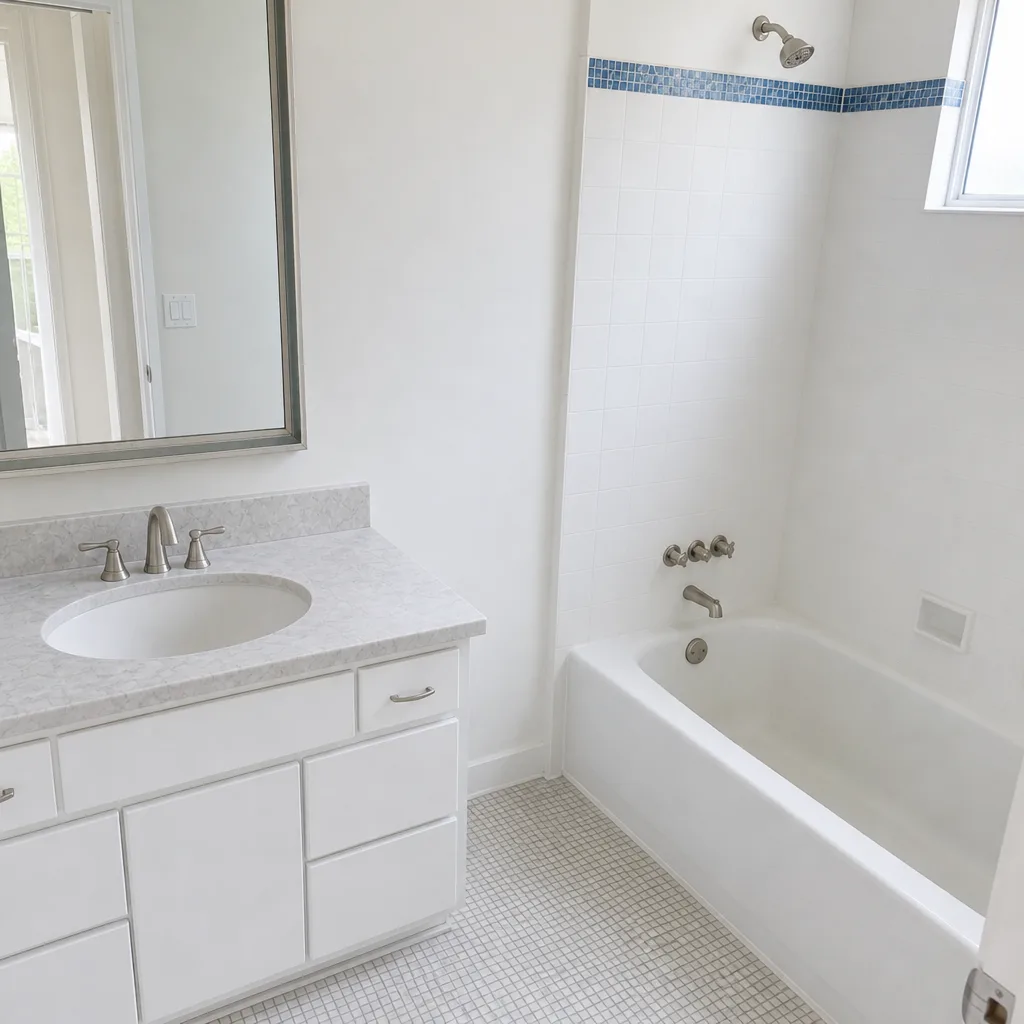
Hard water is where fixture brand selection earns its keep. Kohler, Grohe, and Toto finishes and internal components hold up better against mineral-heavy water than commodity brands, which is why we lean on them for bathroom remodels. The finish should be a finish rated for mineral exposure, not just an esthetic choice. A bathroom built with Kohler and Toto fixtures, finished to last, starts with that matching decision. The same discipline carries into multi-room projects; if your renovation expands into added square footage, our home additions & ADU program handles both site-built and prefab paths, and interior brand selection runs through every one of them.
A Step-by-Step Framework for Evaluating Any Brand
You don’t need to memorize specific brands to make a good decision. You need a repeatable way to evaluate any product put in front of you. Here’s the framework we use in Lake Forest, and you can apply it to any brand on any project.
The seven-question brand test
- Is this product engineered for high-UV, low-humidity conditions? If the brand’s marketing leans on moisture or cold-weather performance, ask how it performs under sustained sun.
- Does the warranty cover the failures we actually see here? Fade, efflorescence, and thermal-related surface issues are where claims get tested.
- Is the specific product line the one being quoted, with the right ratings? Fire ratings, energy documentation, load ratings – confirm the exact line, not just the brand name.
- Is the installer following the manufacturer’s written method? A good product installed off-spec has no warranty.
- Will the manufacturer support a claim? Ask your contractor about their history filing claims with the brand.
- Does the brand clear the local gates – HOA, Title 24, WUI fire ratings – on documentation alone? The easier a brand clears those, the smoother the project.
- Is the spec written down? A written line-item quote naming the brands and product lines removes disputes later.
What a trustworthy spec looks like
A trustworthy specification names the brand and the product line for every visible surface, not a category. “Shingle roof” is not a spec. “Installed with GAF Timberline shingles” is. The same goes for a paver driveway, a kitchen countertop, or a bathroom fixture. If your contractor can’t produce a written line-item quote naming brands, that’s the first thing to ask for. It’s also what any reputable contractor should offer for free.
One more thing: don’t apply this only to the roof. Apply it to pavers, sealer, stucco, windows, and interior finishes. The brand test works on every category, because the underlying question is always the same – was this product built for conditions like ours.
Common Mistakes to Avoid
- Buying the best-marketed brand rather than the best-matched one. A premium product tuned for a wet climate can underperform a mid-tier product built for high sun. Match the environment first.
- Accepting a category instead of a product line. “Concrete tile” or “quartz” isn’t a spec. Ask for the manufacturer and product line, in writing.
- Assuming “limited lifetime” means full coverage. Read the exclusions. If fade is excluded and the product fades in the Lake Forest sun, you have no remedy.
- Mixing brands across a stucco system. Base, scratch, and finish from different manufacturers voids the system warranty. Specify it as one unit.
- Ordering windows before HOA approval. A rejected order is money and time you can’t recover. Get the HOA’s written approval before you place it.
- Skipping Title 24 documentation. A window without the compliance paperwork can’t be permitted as specified. Confirm the package before you sign.
- Choosing the cheapest sealer to protect an expensive paver. The sealer is what protects the pigment. Match it to the paver manufacturer’s recommendation and the sun exposure.
See the difference
 Before
 After
 Before
 After
 Before
 After
When to Call a Professional
Some decisions are yours to make. Brand selection that has to clear Title 24, HOA review, fire ratings, and manufacturer warranty terms is where a professional earns their place, because the wrong spec compounds across every subsequent phase. If you’re planning a roof replacement, a window and door upgrade, a paver installation, or a multi-room remodel that touches exterior and interior at once, it’s worth a conversation before any order is placed. Roof work especially involves height and structural issues that call for trained technicians, not a weekend project. Construction Lake Forest offers free estimates in Lake Forest and will produce a written line-item quote naming the brands and product lines for your project. Call (888) 397-8184. We answer 24/7. Fast dispatch from 7am to 7pm, Sunday through Friday. Our technicians have up to 8 years of experience, and every estimate is free.
Frequently Asked Questions
There’s no single best brand – the right one depends on the category and the environment. For roofing, GAF, CertainTeed, and Owens Corning all have proven Class A lines; for pavers, Belgard, Techo-Bloc, Unilock, Tremron, and Cambridge Pavers handle high UV well; for windows, manufacturers like PGT, CGI, and Therma-Tru already handle California Title 24 documentation. The common thread is a product engineered for high-UV, low-humidity conditions. Call (888) 397-8184 for a free estimate and a brand recommendation specific to your project.
Because their warranties and testing assume a different climate profile. A product tuned for Pacific Northwest moisture resistance may not address the UV load and thermal cycling Lake Forest actually delivers. The product isn’t poor; it’s mismatched. Choose the product built for the conditions, even if it’s a mid-tier brand, and it will outperform a premium one built for somewhere else. Call (888) 397-8184 to talk through the right match for your project.
Concrete tile manufacturers with documented performance in high-sun, mild-winter climates, plus Class A composition shingle lines from GAF, CertainTeed, and Owens Corning where fire ratings apply. The key is confirming the specific product line, not just the brand. Class A ratings are required in many WUI-adjacent zones around Lake Forest. Call (888) 397-8184 for a free estimate and a written roof spec naming the shingle and underlayment brands.
Start with the exclusions. A warranty that disclaims fade, efflorescence, or installation-by-others can eliminate coverage for the most common local failure modes. Check whether the warranty was tested against conditions like ours, then ask your contractor how the manufacturer handled real claims. A brand that stands behind its product in a real claim is worth more than a longer-looking term. Call (888) 397-8184 for a free estimate and a review of your brand options.
The manufacturers with established California Title 24 documentation and a range of frame styles and colors that tend to clear HOA architectural review. Brands like PGT, CGI, and Therma-Tru come from that bench. Confirm the performance spec and get your HOA’s written approval before the order goes in. Call (888) 397-8184 for a free estimate and a written window spec that clears both gates.
Both matter, and they’re inseparable. A good product installed off the manufacturer’s written method has no warranty and underperforms. A lesser product installed correctly often lasts longer than a premium product installed badly. That’s why a trustworthy spec names both the brand and the installation standard. Call (888) 397-8184 to schedule your free estimate and get a written line-item quote covering both.
The Bottom Line
Brand selection in Lake Forest is a performance-environment match, not a price decision. The products that last here are engineered for high UV, thermal cycling, low humidity, and hard water, and the brands we specify – from GAF and CertainTeed on the roof to Cambria and Kohler inside – earned their place by covering the failures that actually happen in Orange County. Read the warranty exclusions, insist on a written line-item quote naming product lines, clear the HOA and Title 24 gates before ordering, and hold the installer to the manufacturer’s written method. Do that, and a good spec protects your investment for years. Call (888) 397-8184 for a free written estimate.
Written by the team at Construction Lake Forest.