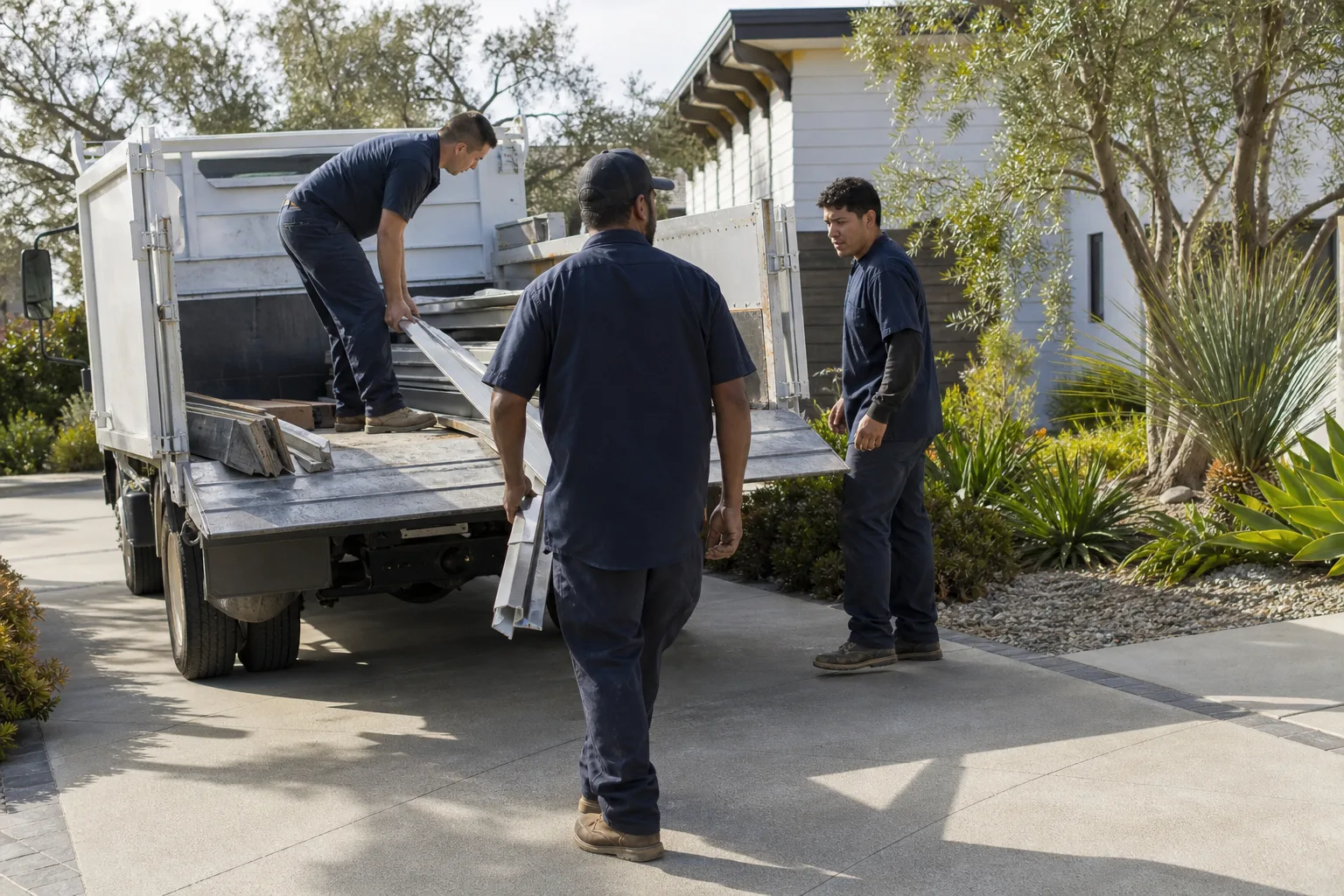
Last updated November 18, 2026





Free written scope consultation - allowances, timeline, and change-order rules on paper before a single trade is scheduled
Construction Emergency Preparedness Guide for Lake Forest Homes
The roof damage claims filed after a Lake Forest wind event are almost never caused by the wind alone. They’re caused by the ridge cap mortar that had been soft for two seasons, the flashing that had lifted an inch, or the fascia that had been absorbing moisture since the gutter backed up in January. Emergencies in this city follow a pattern: Santa Ana wind events, then the 24-to-48-hour heavy rain events that trail the dry season. The homes that come through intact are the ones whose owners dealt with the small vulnerabilities before the weather arrived. This guide is about that prevention architecture, and about what to do in the first day after damage when prevention runs out.
Quick Answer
Construction emergency preparedness in Lake Forest means inspecting and repairing the specific weak points that fail in Santa Ana winds and the rain events that follow: roof fasteners and flashing, fence posts, patio cover hardware, and door weatherstrip. When damage does happen, document it thoroughly, authorize only temporary protective repairs before your adjuster arrives, and hire licensed, insured contractors using written estimates.
Styles & brands we work with
- Kitchen remodeling
- Bathroom remodeling
- Home additions & ADU
- Roofing
- Windows & doors
- Driveway & pavers
- Fence
Table of Contents
- Why Lake Forest Emergencies Follow the Weather Calendar
- Pre-Season Inspection Checklist for Santa Ana Wind Season
- The First 24 Hours After Wind or Rain Damage
- Tarp and Board-Up Standards That Hold Up to an Adjuster
- Finding a Licensed Emergency Contractor Without Getting Gouged
- Structural Warning Signs That Need Professional Evaluation
- Prevention Work That Pays for Itself Before the Next Event
Why Lake Forest Emergencies Follow the Weather Calendar
Lake Forest sits in the foothills of south Orange County, where the terrain and the dry-season-to-wet-season swing create two distinct emergency windows each year. The first is Santa Ana wind season, typically late fall into winter, when dry, gusting, offshore winds push through the canyons and stress every piece of exterior construction on a home. The second is the rain that follows: after months of dry weather, the first substantial storm of the season lands on soil that has baked hard, on roofs whose sealant has dried and cracked, and on gutters packed with debris from the summer.
What makes this pattern worth understanding is that the two events compound. A wind event lifts a shingle tab or loosens flashing. The rain that comes days or weeks later finds that opening. By the time a homeowner notices a ceiling stain, the actual failure happened in the earlier event. In our experience, most of the “sudden” leaks we’re called about in Lake Forest can be traced back to a small breach that was sitting open for weeks.
The practical takeaway is that preparedness is a calendar exercise, not a weather-app exercise. You inspect in the dry weeks before wind season, not the morning the forecast turns. Homes in the older neighborhoods around the city center and the newer foothill communities both face the same two windows; what differs is age-related wear on sealants, fasteners, and wood.
Pre-Season Inspection Checklist for Santa Ana Wind Season
A pre-season walkaround takes an afternoon and catches most of the failures that turn into claims. Work from the ground up, then the roof edge, then the perimeter. You don’t need to climb on the roof to spot the majority of these issues; binoculars from the yard and a look at the underside from inside the attic will surface plenty.
- Roof fastener and shingle condition. From the ground, look for lifted, curled, or missing shingle tabs, especially along ridges and hips where wind gets under an edge first. Check the ridge cap and any visible fasteners for rust or backing-out. If you can see daylight through the roof deck from inside the attic, that’s a fastener or decking issue that needs a professional look.
- Flashing at penetrations and wall junctions. Chimney flashing, vent boots, and the step flashing where a roof meets a wall are the highest-risk water entry points on any Lake Forest roof. Lift the edge with a gloved hand if you can reach it safely from a ladder; if it moves, it’s already compromised.
- Fence post integrity. Push-test each post. A post that rocks in its footing will lean or fail in the first strong wind and take a panel with it. Check for rot at the base and loose or rusted hardware at every rail connection.
- Patio cover and pergola hardware. Every connection point matters: post bases, beam-to-post brackets, rafter hangers, and the attachment where the structure ties into the house. Loose bolts and missing connectors are what turn a cover into a projectile.
- Exterior door weatherstrip and thresholds. Worn weatherstrip lets wind-driven rain past the door and into the frame. Run a hand along the seal with the door closed and feel for gaps; check that thresholds sit tight and drains are clear.
- Gutters and downspouts. Clear the debris. A backed-up gutter sends water behind the fascia, which is exactly the moisture path that softens the wood you’ll be relying on when the wind hits.
Anything on this list that’s beyond a clearing-and-tightening job is worth a professional evaluation before the season, not after. Roof work in particular involves height and fall risk, and a trained roofer can assess fastener condition and flashing far more safely than a homeowner on a ladder.
The First 24 Hours After Wind or Rain Damage
What you do in the first day after a Lake Forest wind or rain event determines whether your insurance claim goes smoothly. The governing principle: document before you repair, and authorize only protective work until the adjuster has seen the damage. Here’s the sequence that protects a claim.
- Photograph and video everything before touching it. Wide shots of each affected area, then close-ups, then a shot that ties the damage to a reference point so scale and location are clear. Capture the date naturally in the footage. Do this before any debris is moved.
- Make a written inventory. Note each damaged item, its location, and the apparent cause as you observed it. Keep a running log of every call and every contractor who visits.
- Stop the water, not the damage. If rain is still coming in, protect the interior with buckets, towels, and moved furniture. Tarp or board up only what’s exposed to the weather. This is protective, not repair.
- Call your insurer and open the claim early. Report the damage and ask specifically what temporary repairs they authorize and whether they want to inspect before or after those repairs.
- Save every receipt for tarps, plywood, fasteners, or any emergency materials you buy. Keep the packaging and any contractor invoice.
- Do not start permanent repairs. Replacing shingles, re-flashing, or rebuilding a fence panel before the adjuster arrives can void the portion of the claim tied to that work. Temporary protection is fine; restoration waits.
The habit that separates a smooth claim from a contested one is the documentation sequence itself. The homeowner who has timestamped photos, a written log, and receipts has a file; the homeowner who “just fixed it” has a story. If you can’t safely document the roof yourself, a professional inspection can provide the photographic record for you.
Tarp and Board-Up Standards That Hold Up to an Adjuster
A tarp thrown over a damaged roof can either protect your home and your claim or complicate both. California insurers expect temporary protective measures to be reasonable, documented, and clearly temporary. A makeshift job that fails in the next gust looks like negligence; a proper job looks like exactly what it is, a stopgap until permanent repairs.
- Secure the tarp, don’t just drape it. A tarp that flaps in the wind abrades shingles and can pull loose, causing secondary damage. It needs to be fastened with battens or weighted edges in a way that won’t itself damage the roof surface.
- Cover the breach, not the whole roof, where possible. Targeted coverage over the damaged area is easier to document and easier to remove at repair time.
- Board up broken glazing and openings with exterior-grade plywood, screwed rather than nailed where you can, and marked clearly if it covers a door or window that needs to remain usable.
- Photograph the protection itself. Take pictures of the tarp or board-up in place, with the date. This proves the mitigation step was taken and when.
- Keep it clearly temporary. Maintain the tarp until the adjuster has inspected and permanent repair is scheduled. Don’t let “temporary” become the permanent fix.
If you’re not comfortable working at height or the damage involves the roof structure, don’t improvise. A trained professional can install a proper tarp and board-up, and the invoice for that work is exactly the kind of documented mitigation an adjuster expects to see. Removing a damaged item entirely, rather than protecting it in place, is another shortcut to avoid before the adjuster’s visit.
Finding a Licensed Emergency Contractor Without Getting Gouged
Post-storm scrambles attract contractors who are fast with a truck and slow with paperwork. The time pressure is real, but the license and insurance checks that protect you apply exactly the same under a deadline as they do on a calm afternoon. In California, any contractor performing work above a low threshold must hold a valid state license from the Contractors State License Board, and you can verify that license and its status directly on the CSLB website. That check takes minutes and is the single most important step before you sign anything.
- Verify the license number online. Confirm the license is active, in the right classification for the work, and matches the name on the contract. A license in someone else’s name or an expired one is a stop sign.
- Ask for a certificate of insurance showing both general liability and workers’ compensation coverage, and call the insurer to confirm the policy is current. Don’t accept a photo of a certificate as proof without confirming.
- Get a written, line-item estimate. The estimate is free, and the price is set per job by that written estimate. Vague lump-sum quotes and pressure to sign “today only” are the pattern of gouging.
- Never pay the full amount up front. A reasonable deposit with progress payments tied to completed work is normal. Large cash demands before any work starts are not.
- Get the permits question answered in writing. Roof replacement, structural repair, and most significant reconstruction require permits in Lake Forest. A contractor who offers to skip the permit to save time is exposing you to inspection and resale problems down the road.
For emergency drying or temporary protection specifically, you still want a licensed, insured firm. Construction Lake Forest can work with your insurer on a claim and provide the documentation your adjuster needs, and every job starts with a free written estimate.
Structural Warning Signs That Need Professional Evaluation
Not everything visible after a wind event is the worst problem, and some of the worst problems aren’t visible at all. The following signs mean the space should be evaluated before you re-occupy or use it normally:
- Doors or windows that no longer close cleanly. A door that suddenly sticks or swings on its own can signal movement in the frame or the structure around it.
- New cracks in drywall or plaster that run diagonally from a corner, or a crack that widens along a ceiling line. Hairline cracks are common; new, growing, or staircase-pattern cracks are not.
- Ceiling sag, sponginess underfoot, or a visible dip in the roofline. These point to damaged framing or a decking failure above.
- Water staining that spreads after the rain stops, or a musty smell in an area that got wet. Moisture trapped in a wall assembly is a long-term structural problem, not just a cosmetic one.
- Separation at the roof-to-wall junction, a gap where fascia meets soffit, or a pulled patio cover attachment. These are the connections that hold a structure together under load.
- Chimney or masonry movement, including a visible lean, new cracks in the mortar, or a cap that’s shifted.
If any of these are present, keep people out of the affected room and have the structure evaluated before you use it normally. The evaluation itself is straightforward, but it takes a trained eye to tell a cosmetic crack from a structural one across the span of a whole home. When it’s time to repair, one contractor across every project phase from permits to final walkthrough removes the handoffs and the finger-pointing between trades.
Prevention Work That Pays for Itself Before the Next Event
The most effective emergency preparedness is the work you do in the calm season. A handful of upgrades and replacements close the vulnerabilities that the Lake Forest weather calendar keeps probing. Doing them before the season also means doing them on a schedule you control, with a written estimate and a choice of materials, rather than under time pressure.
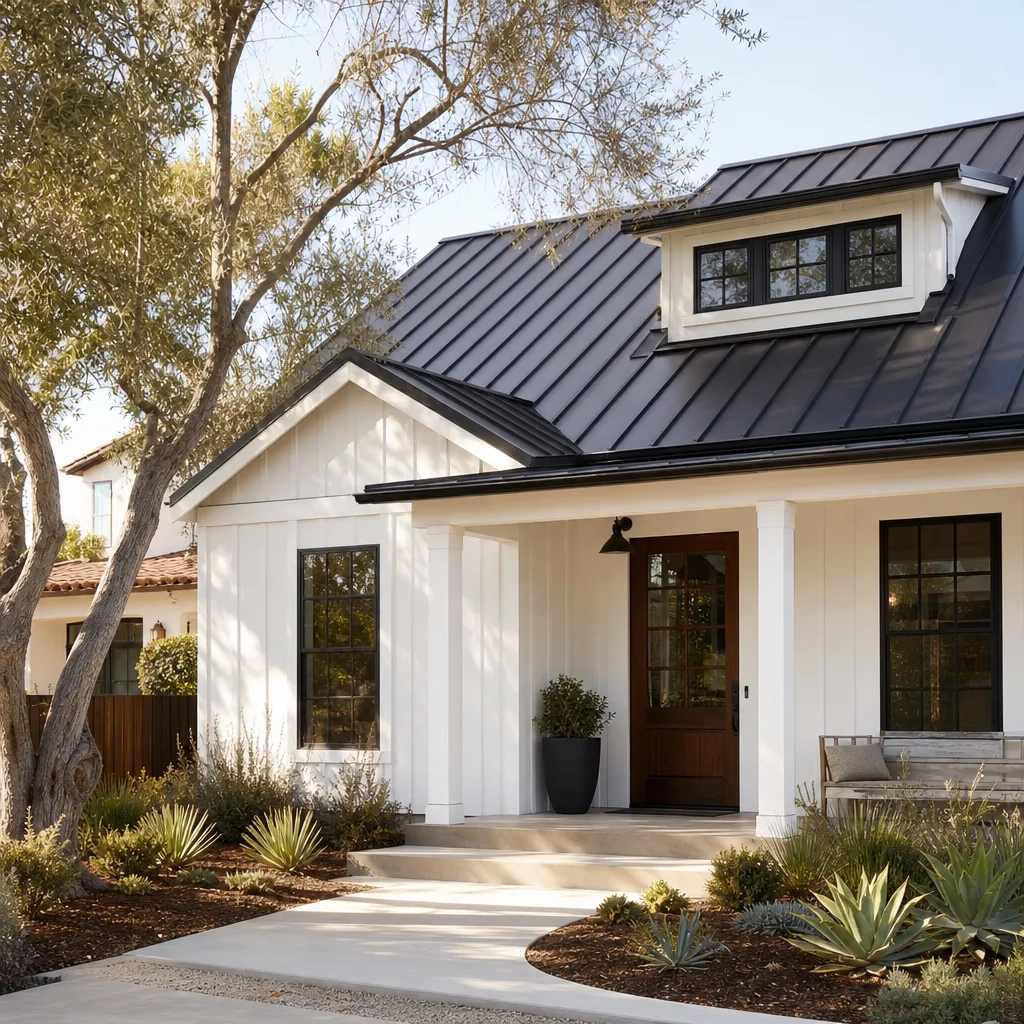
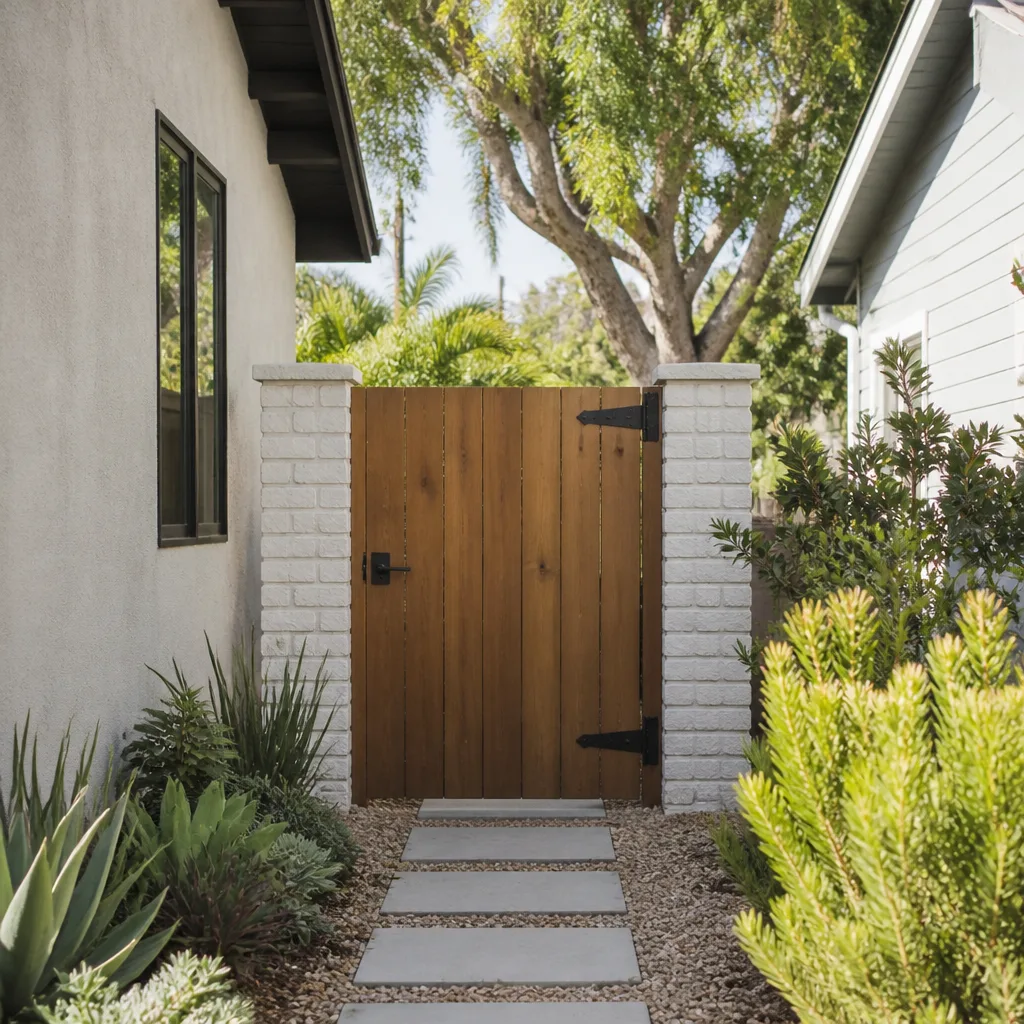
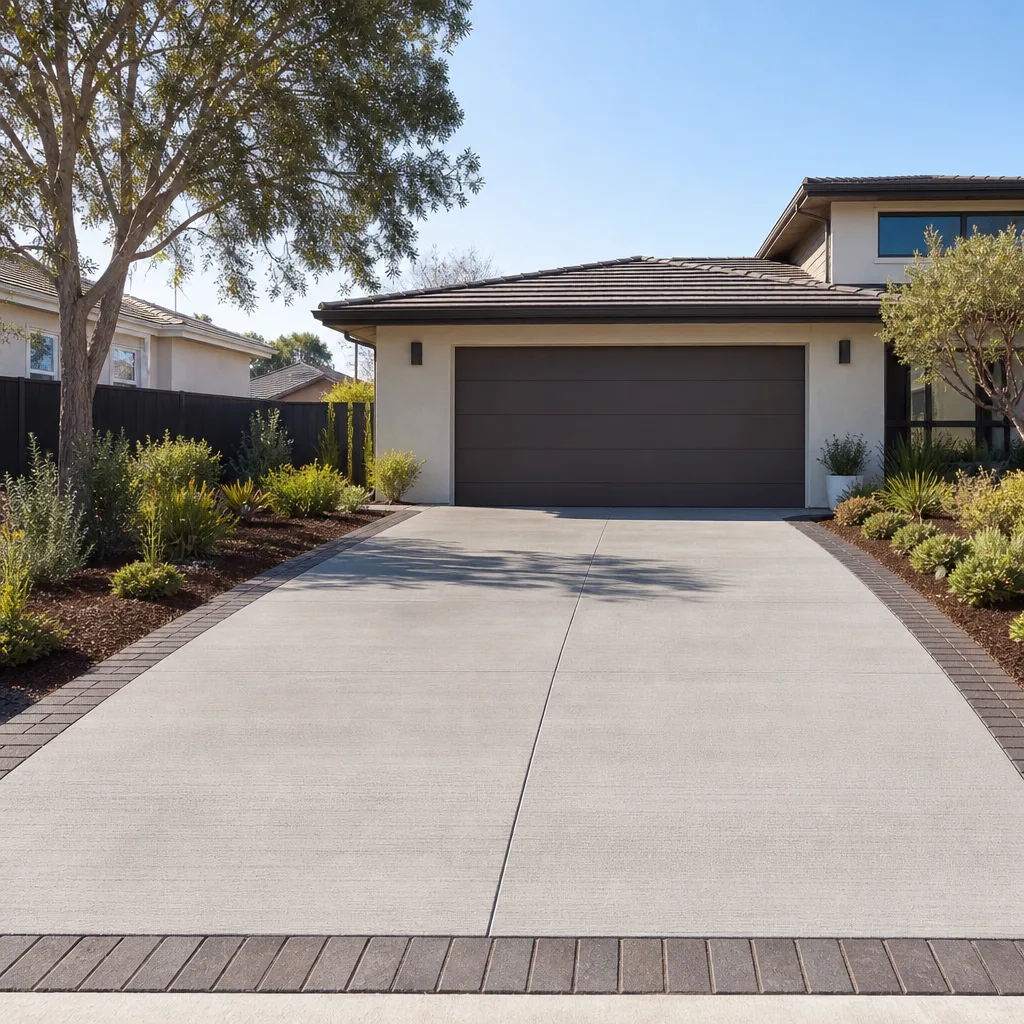
On the roof, replacing aging shingles and re-flashing the penetrations with a system like GAF Timberline shingles closes the most common leak path before it opens. Choosing the shingle system by its wind warranty and fastener spec matters more than choosing by color in this city. Fencing is its own prevention story: a properly set post in a solid footing with commercial-grade hardware like Master Halco or Ameristar panels will ride out a wind event that would flatten a sagging, rot-weakened fence. Hardscape and drainage work matters too, because a driveway or patio that pools water directs it toward the foundation, and re-grading with a Belgard or Techo-Bloc paver system built on a proper base sends it away from the house. Where the plan includes added square footage, deciding between a site-built addition and a prefab or modular unit from a maker like Abodu or Dvele is a decision to make in the dry season, with the design and permitting work done well ahead of the weather.
Prevention is also the moment to look at the whole envelope at once. A home that has its roof, gutters, doors, and drainage addressed in a single coordinated effort rarely has the kind of hidden failure that surfaces three storms later.
Common Mistakes to Avoid
- Repairing before the adjuster sees it. Replacing the visibly damaged shingles before an inspection can cost you the covered portion of that repair. Photograph, protect, and wait for the adjuster.
- Skipping the license check because it’s an emergency. The moment you’re most rushed is the moment the unlicensed, uninsured operator counts on. Verify on the CSLB site before you sign anything.
- Ignoring a small flashing or weatherstrip gap. In Lake Forest, the opening that seems minor in the dry season is the one the first storm finds. Small breaches compound.
- Letting a tarp become the permanent roof. A tarp is a stopgap with a shelf life. Left through a full season, it abrades the very surface it’s protecting and can turn a small repair into a full replacement.
- Discarding damaged material before it’s documented. The torn fascia or cracked panel is evidence. Photograph it, list it, and keep it until the claim is settled.
- Paying a large deposit in cash up front. A storm-season contractor demanding most of the job cost before work begins is a red flag. Reasonable deposits and progress payments tied to completed work are the norm.
- Assuming the visible crack is the whole problem. The dramatic diagonal crack in the drywall often sits above a quieter issue in the framing. A professional evaluation tells you which is which.
See the difference
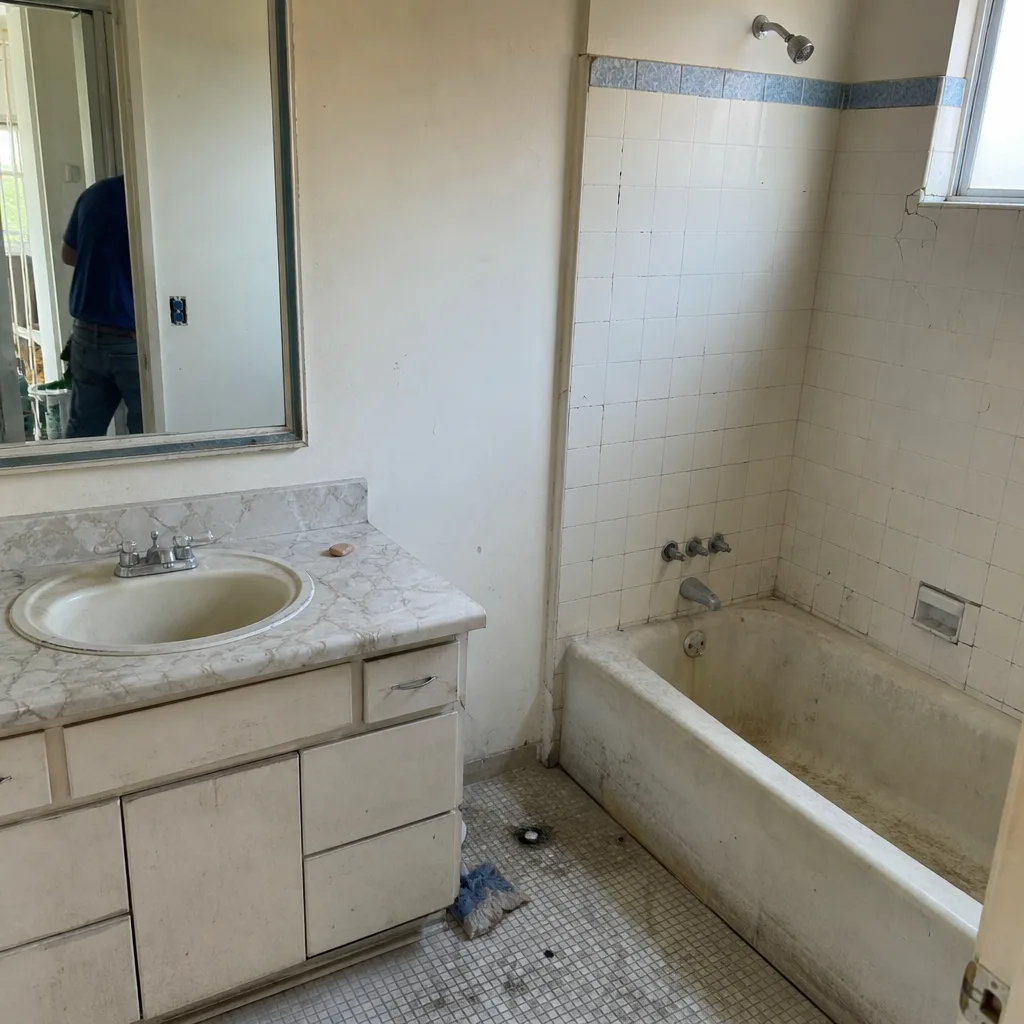 Before
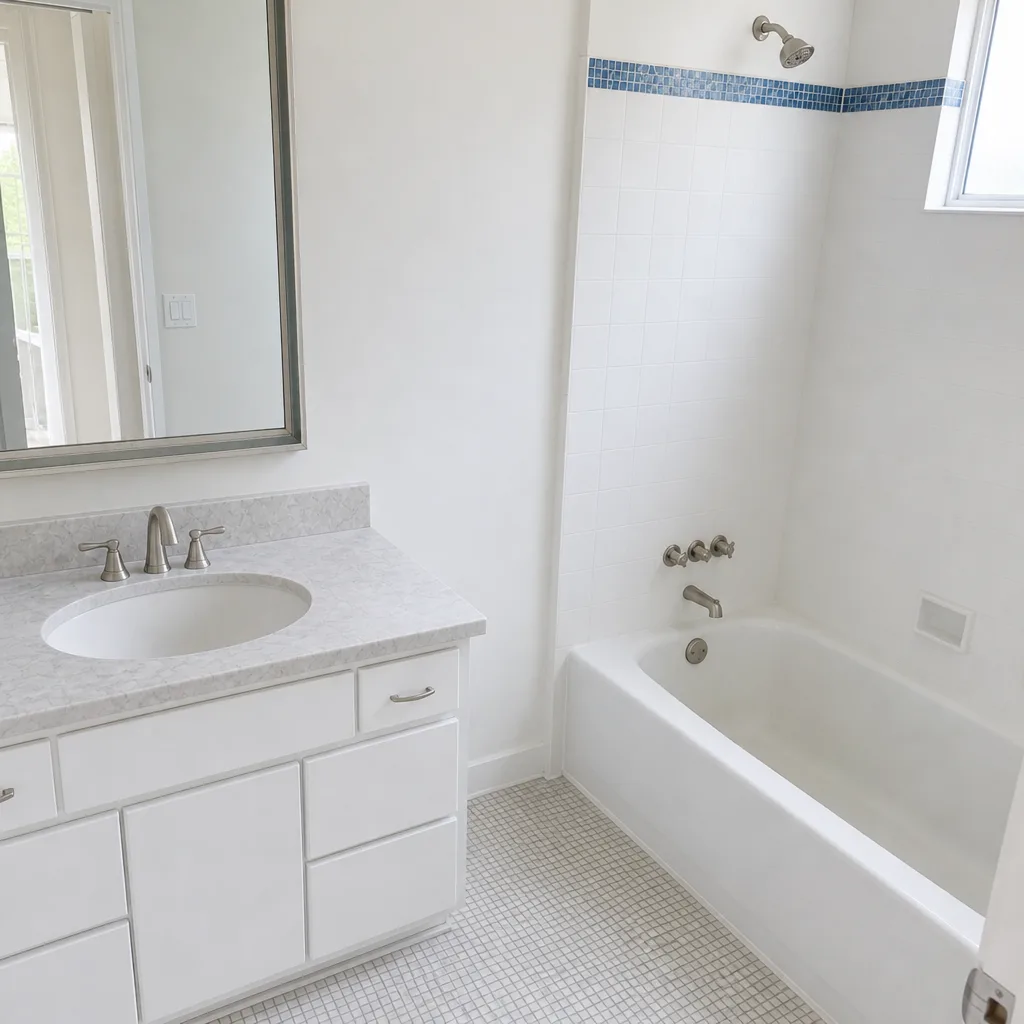 After
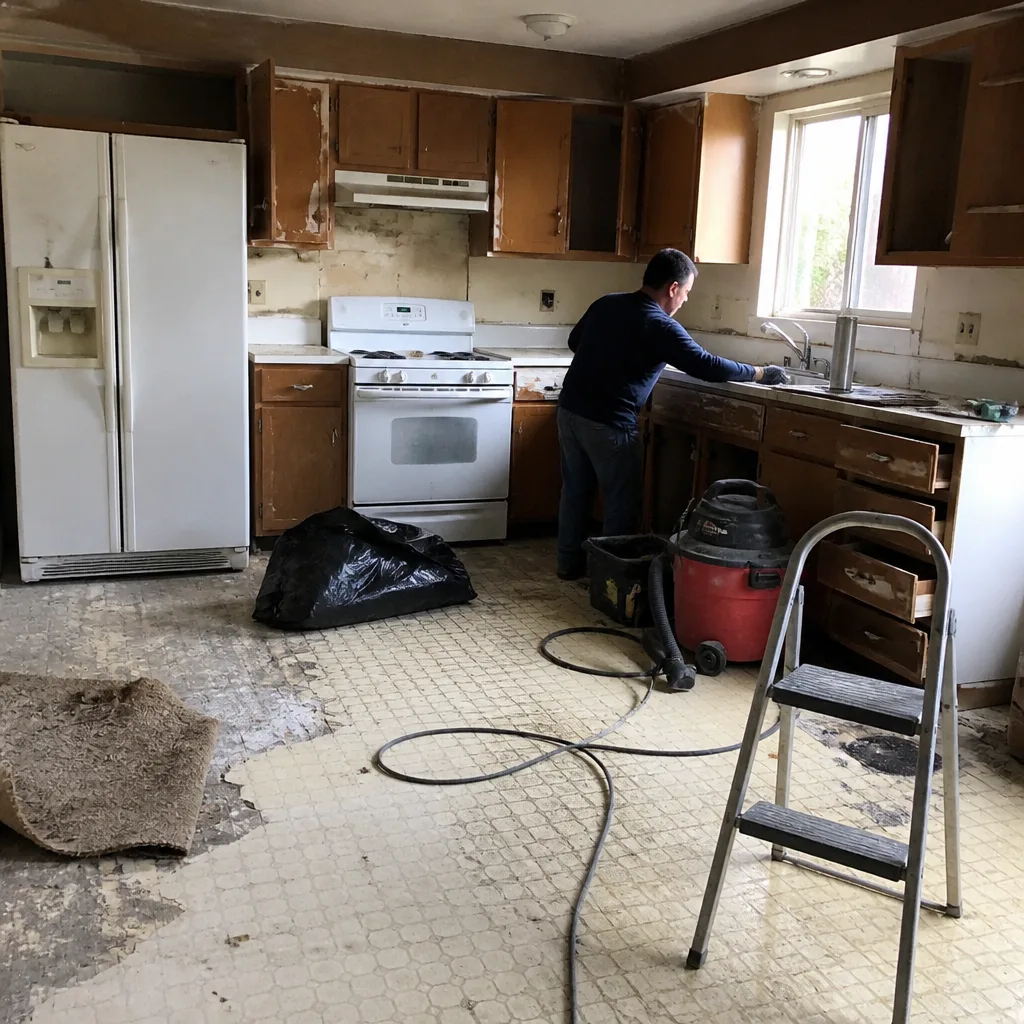 Before
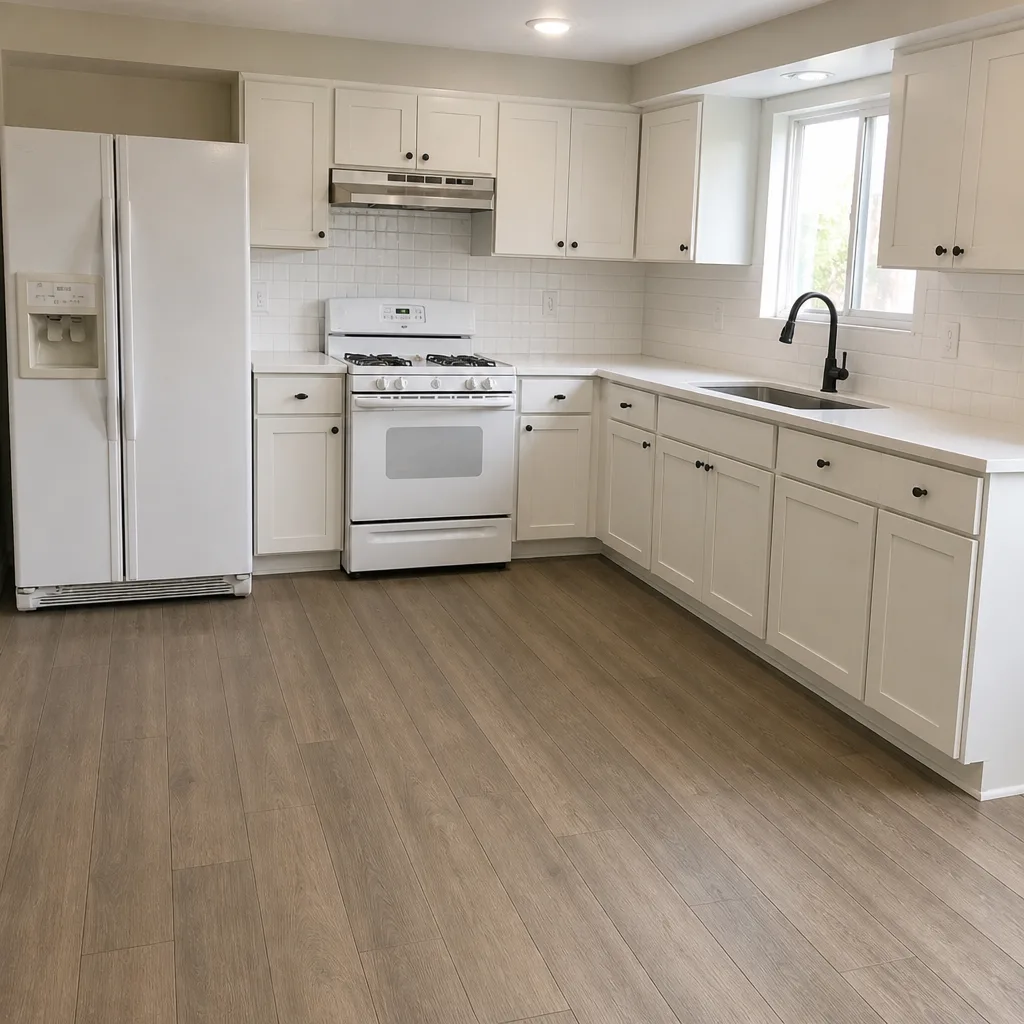 After
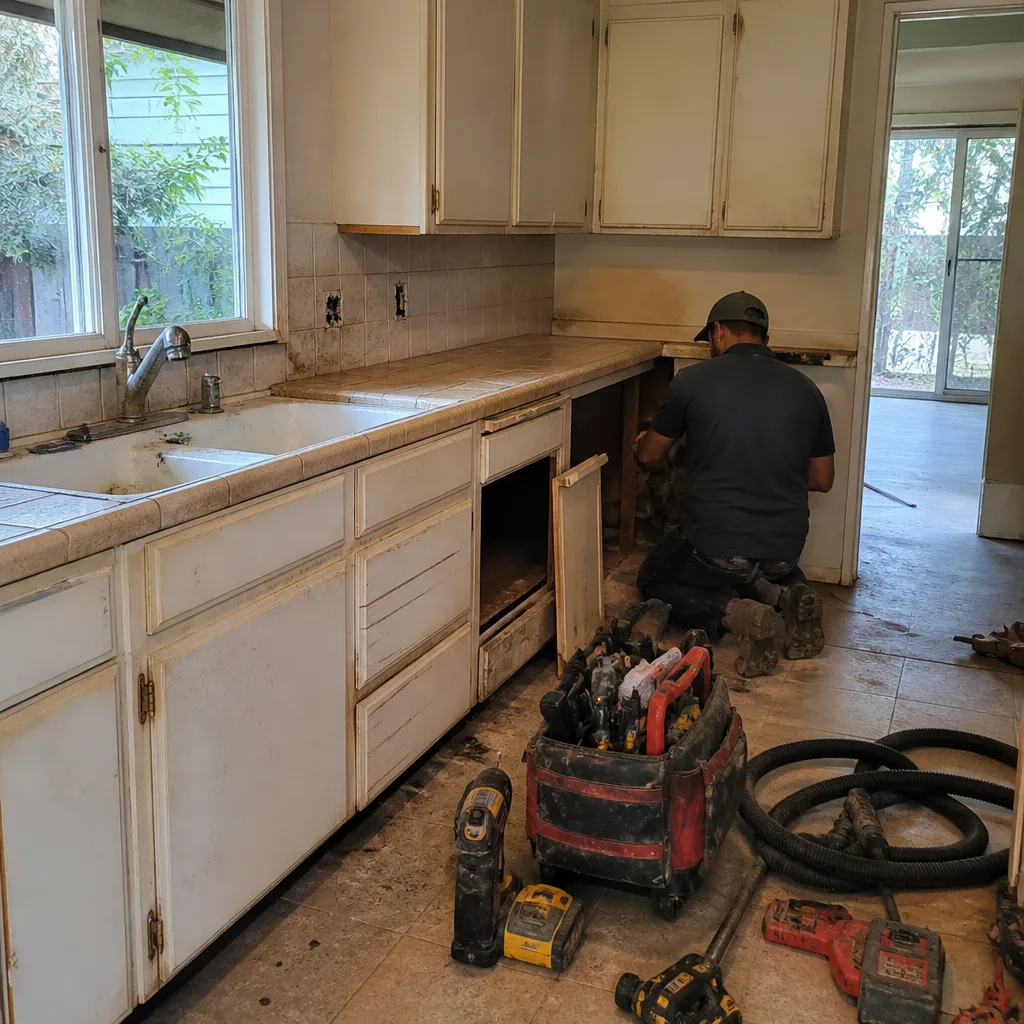 Before
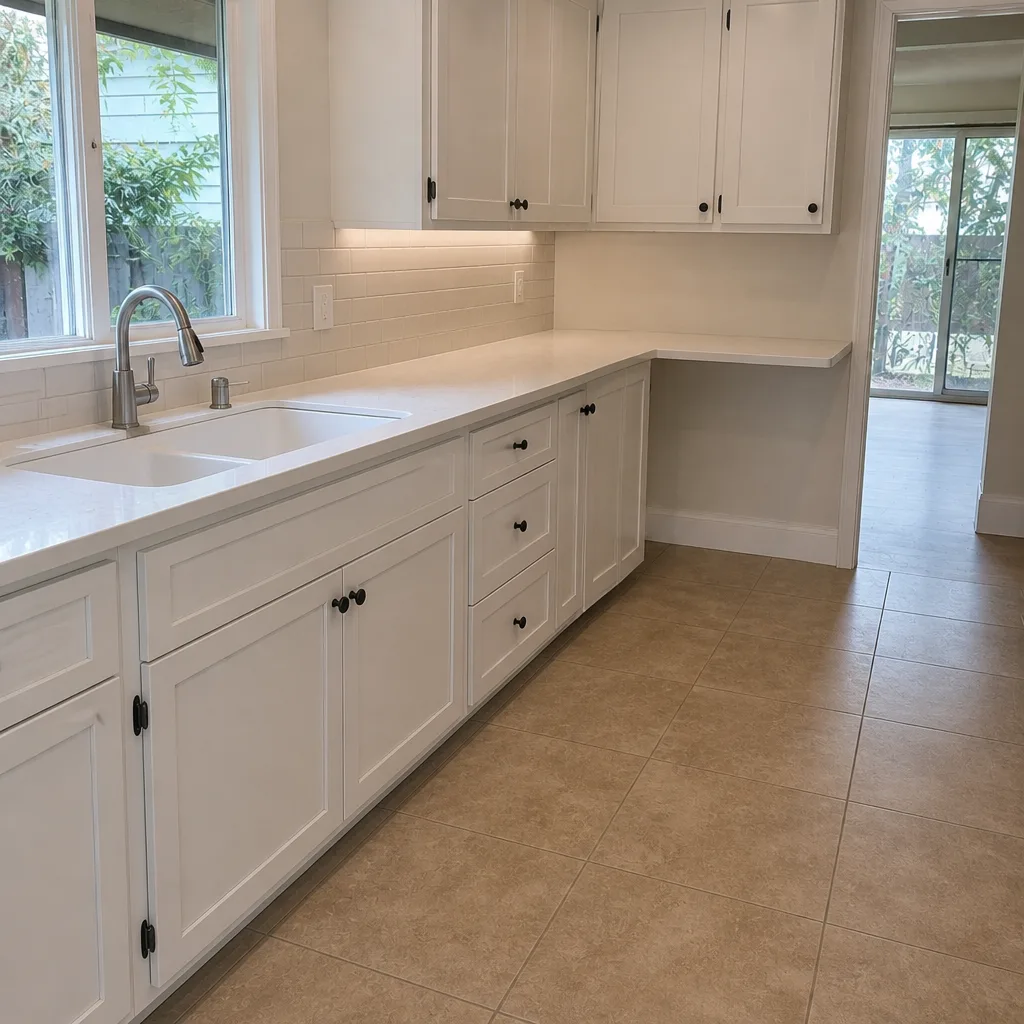 After
When to Call a Professional
Call a professional when the work involves the roof, the structural connections of the house, or any repair you can’t safely reach and document from the ground. Call after a wind event if you see lifted shingles, separated flashing, a leaning fence line, a shifted patio cover connection, or any of the structural warning signs above. Call if your insurer needs a documented inspection or a proper tarp and board-up. And call before the season, not just after it, when an inspection finds wear that’s better addressed on a scheduled basis than under pressure. Construction Lake Forest offers free estimates in Lake Forest and can work with your insurer on a claim. Call (888) 397-8184. We answer 24/7. Fast dispatch from 7am to 7pm, Sunday through Friday.
Frequently Asked Questions
Document the damage thoroughly with photos and a written record before you touch anything, then report the claim to your insurer and authorize only temporary protective repairs. Keep every receipt for tarps, plywood, and emergency materials. Don’t start permanent repairs until the adjuster has inspected. Call (888) 397-8184 for help documenting and protecting the damage – estimates are free.
No. A tarp is temporary protective mitigation, not a repair, and insurers expect it to be secured properly and documented. Photograph it in place and leave it until permanent repair is scheduled. A poorly secured tarp that fails in the next wind can complicate the claim rather than help it. Call us to install a proper tarp and board-up and to get a written estimate for the permanent repair.
Look up the contractor’s license number on the California Contractors State License Board website to confirm it’s active and in the right classification, and call the insurer on the certificate of insurance to confirm the policy is current. Do this even in a post-storm scramble. Get a written, line-item estimate before any work begins. Call (888) 397-8184 for a free written estimate from a licensed, insured firm.
Doors or windows that no longer close cleanly, new diagonal or spreading drywall cracks, ceiling sag or sponginess underfoot, a visible roofline dip, or separation at the roof-to-wall junction all warrant a professional evaluation before you use the space. Keep people out of the affected room and have it assessed. Call (888) 397-8184 to schedule an evaluation – estimates are free.
After. Only temporary protective work should be done before the inspection. Permanent repairs started before the adjuster arrives can void the portion of the claim tied to that work. Photograph, protect, and wait, then schedule the permanent repair once the claim is documented. Call (888) 397-8184 for a written estimate on the permanent repair when you’re ready.
Inspecting and repairing roof fasteners and flashing, tightening fence post and patio cover hardware, and replacing worn exterior door weatherstrip cut the most risk in Lake Forest. Most wind-driven claims trace back to one of these small failures. Call (888) 397-8184 to schedule a pre-season inspection and free estimate.
The Bottom Line
The emergencies that hit Lake Forest homes follow a pattern, and the pattern is knowable. Santa Ana winds probe the weak points, then the first heavy rain of the season finds them. The homes that come through intact are the ones whose roof fasteners, flashing, fence posts, patio cover hardware, and weatherstrip were addressed in the dry season. When damage does happen, document before you repair, authorize only temporary protective work until the adjuster sees it, hire licensed and insured contractors with written estimates, and treat any structural warning sign as a reason to call a professional before you re-occupy.
One contractor across every project phase, from the roofline to the driveway, means the prevention and the repair are handled with the same accountability. Call (888) 397-8184 for a free estimate. We answer 24/7. Fast dispatch from 7am to 7pm, Sunday through Friday.
Written by the team at Construction Lake Forest.